
Top 5 Most Common Summer Claims for Cape Cod & Islands Homeowners
Summer on Cape Cod, Nantucket, and Martha’s Vineyard is what many homeowners wait for all year. The house fills with family and friends, boats and kayaks come out of storage, outdoor showers are running nonstop, and weekends revolve around the beach, backyard dinners, and time on the water.
But summer also changes the risk around your home.
More guests, more water usage, more outdoor activity, sudden thunderstorms, seasonal homes sitting unattended between visits, and expensive recreational equipment can all create losses homeowners don't necessarily see coming.
And on the Cape and Islands, some of the most expensive summer claims aren't always the obvious ones.
Here are five summer insurance claims Cape Cod and Island homeowners should have on their radar:
2. Lightning Strikes & Power Surges Damage Expensive Home Systems
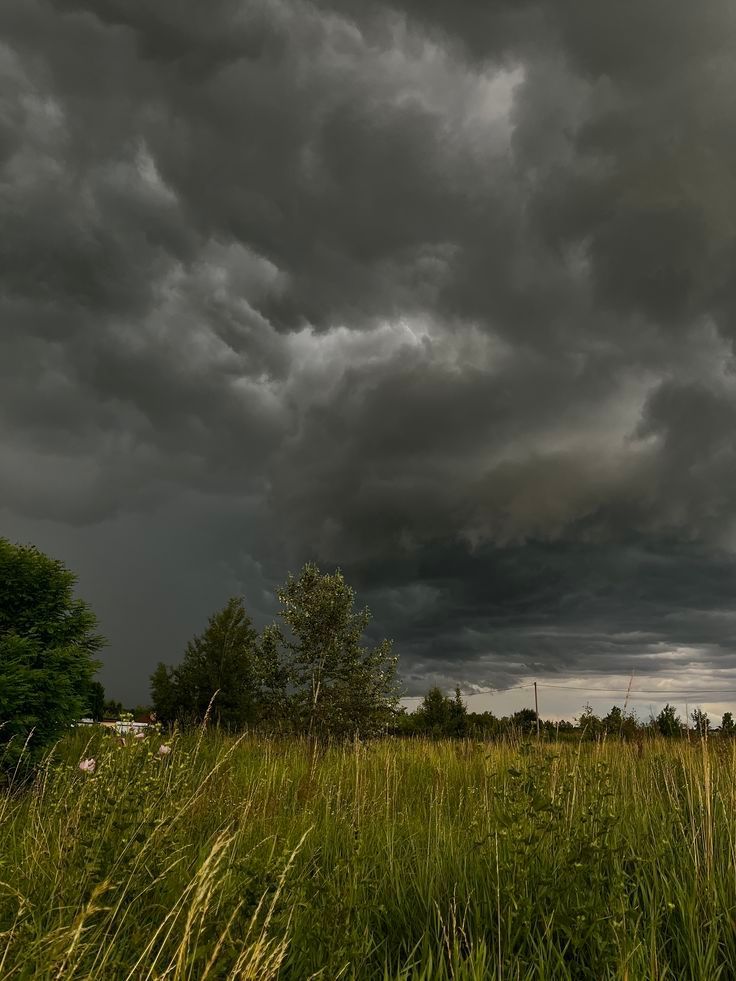
Cape Cod and the Islands see their share of fast-moving summer thunderstorms, and lightning doesn't have to directly strike your house to cause expensive damage.
A nearby strike or electrical surge can damage TVs, computers, appliances, HVAC equipment, smart-home technology, pool equipment, generators, well pumps, and other electrical systems.
Today's homes contain significantly more technology than they did years ago, which means one surge can affect multiple expensive systems at once.
Example Claim:
A thunderstorm rolls through Barnstable while a family is away for the weekend. A power surge damages the home's central air conditioning system, several appliances, Wi-Fi equipment, and electronics. They return to a very warm—and unexpectedly expensive—surprise.
Coverage That May Help:
Depending on the cause of loss and policy, homeowners insurance may cover certain sudden electrical or lightning-related damage. Equipment Breakdown Coverage can also provide additional protection for certain mechanical and electrical failures that a standard homeowners policy may not cover.
How to Reduce Your Risk:
- Install whole-home surge protection
- Use surge protectors for valuable electronics
- Have aging electrical systems inspected
- Ask your agent whether Equipment Breakdown Coverage makes sense for your home
3. Guest Injuries Around Docks, Decks, Outdoor Showers & Backyard Amenities
Summer entertaining creates a completely different liability exposure than your home may have during the rest of the year.
Think beyond the swimming pool.
Wet outdoor shower steps, weathered decks, private docks, fire pits, trampolines, kayaks, paddleboards, and even bicycles guests use to ride into town can create opportunities for serious injuries.
Salt air and coastal weather can also accelerate deterioration of wood, railings, stairs, and other exterior structures, making routine maintenance especially important for Cape and Island homes.
Example Claim:
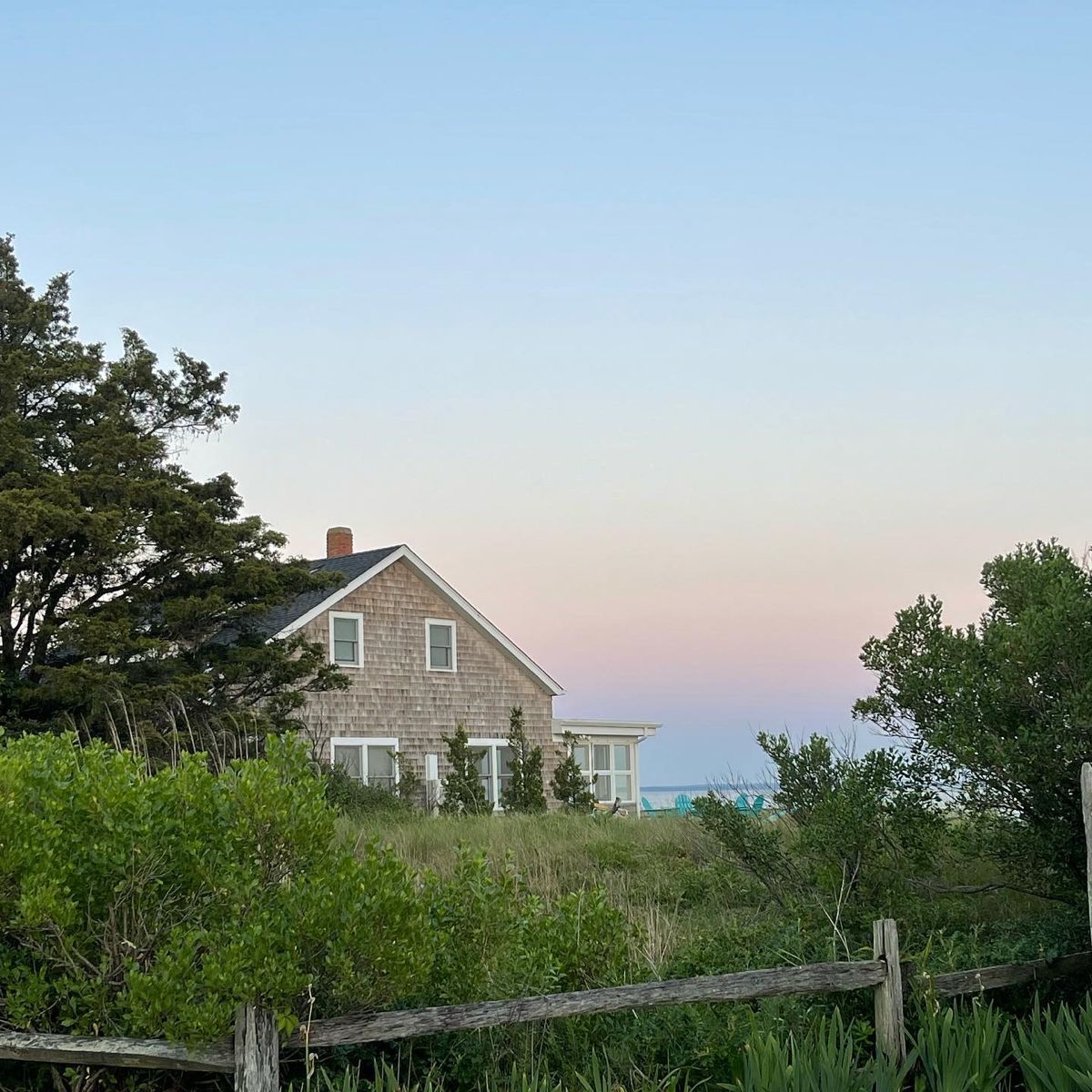
Friends are staying at a waterfront home on Martha's Vineyard for the weekend. While walking down to the dock in the evening, a guest leans against a deteriorated railing that gives way, causing them to fall and suffer a serious injury.
Coverage That May Help:
Personal Liability Coverage under a homeowners policy may help with certain bodily injury claims if you're found legally responsible. For homeowners with significant assets or higher-risk amenities, a Personal Umbrella Policy can provide an additional layer of liability protection above the underlying policy limits.
How to Reduce Your Risk:
- Inspect decks, stairs, railings, docks, and outdoor showers before summer
- Add adequate lighting to exterior walkways and waterfront areas
- Repair loose boards, railings, and uneven surfaces promptly
- Review liability limits if you frequently entertain or have higher-risk amenities
5. Kayaks, Paddleboards, Boats & Other Summer Toys Create Bigger Liability Risks Than Expected
For many Cape and Island homeowners, recreational equipment is simply part of summer.
The problem is that homeowners sometimes assume anything stored at their house—or used by their family and guests—is automatically fully protected by their homeowners policy.
That's not always the case.
Homeowners policies can provide some coverage for certain types of watercraft, but limitations can apply based on the type, size, horsepower, value, and use of the watercraft. And when someone gets hurt, the liability exposure can be much greater than the cost of replacing the equipment itself.
Example Claim:
A homeowner on Nantucket lets a visiting family member use their personal watercraft. The guest loses control and collides with another vessel, causing property damage and seriously injuring one of its passengers.
Suddenly, the concern isn't replacing the watercraft. It's a potentially significant liability claim.
Coverage That May Help:
Depending on the type of watercraft, coverage may be available under a homeowners policy or require a separate Boat or Watercraft Insurance Policy. A Personal Umbrella Policy may also provide additional liability protection when the appropriate underlying coverage is in place.
How to Reduce Your Risk:
- Don't assume every boat or watercraft is covered by homeowners insurance
- Review your policy before allowing guests to use recreational equipment
- Make sure operators understand basic water safety rules
- Tell your agent about newly purchased boats, jet skis, or other higher-value recreational equipment