
The Hidden Costs of Coastal Winter Storm Claims And How Smart Property Owners Prepare Differently
by McShea Insurance | The Hidden Costs of Coastal Winter Storm Claims And How Smart Property Owners Prepare Differently
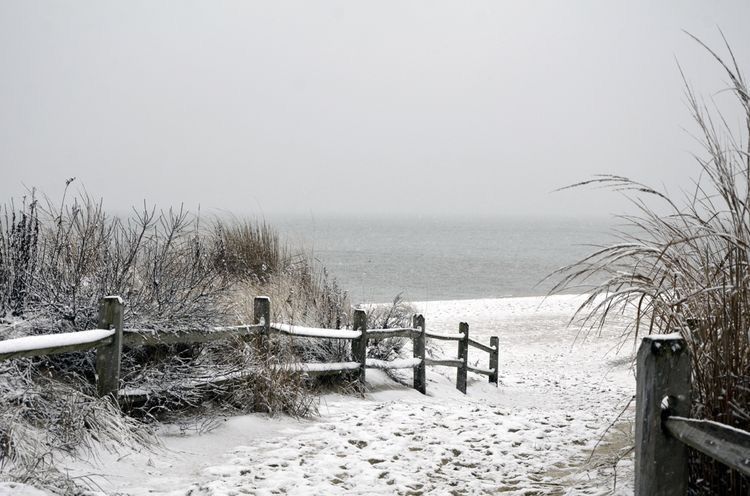
Winter on the Cape & Islands is quiet and beautiful — until it isn’t.
A winter storm in inland Massachusetts might mean snow removal and a few days of inconvenience. A winter storm in a coastal community like the Cape and Islands can quickly turn into a complex, high-cost insurance claim.
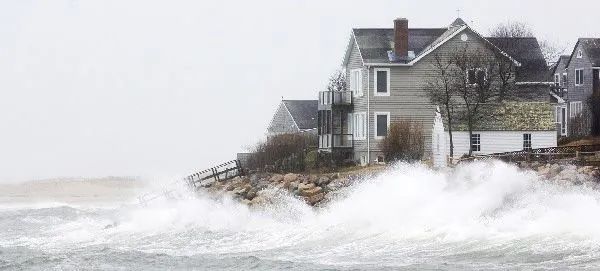
For property owners in Cape Cod, Nantucket, and Martha’s Vineyard, winter risk is layered. Wind, salt air, power outages, aging rooflines, contractor scarcity, and flood exposure all intersect. And when claims happen, the hidden costs often surprise even experienced homeowners and business owners.
Let’s talk about what those hidden costs actually look like — and how proactive property owners prepare differently.
Coastal Winter Storms Are Multi-Peril Events
Winter losses here rarely come from “just snow.”
They often involve multiple contributing factors:
- Wind-driven rain entering through compromised flashing or older siding
- Ice dams forcing water under shingles and into interior walls
- Frozen pipes in seasonal or partially vacant homes
- Power outages leading to sump pump failure or spoilage losses
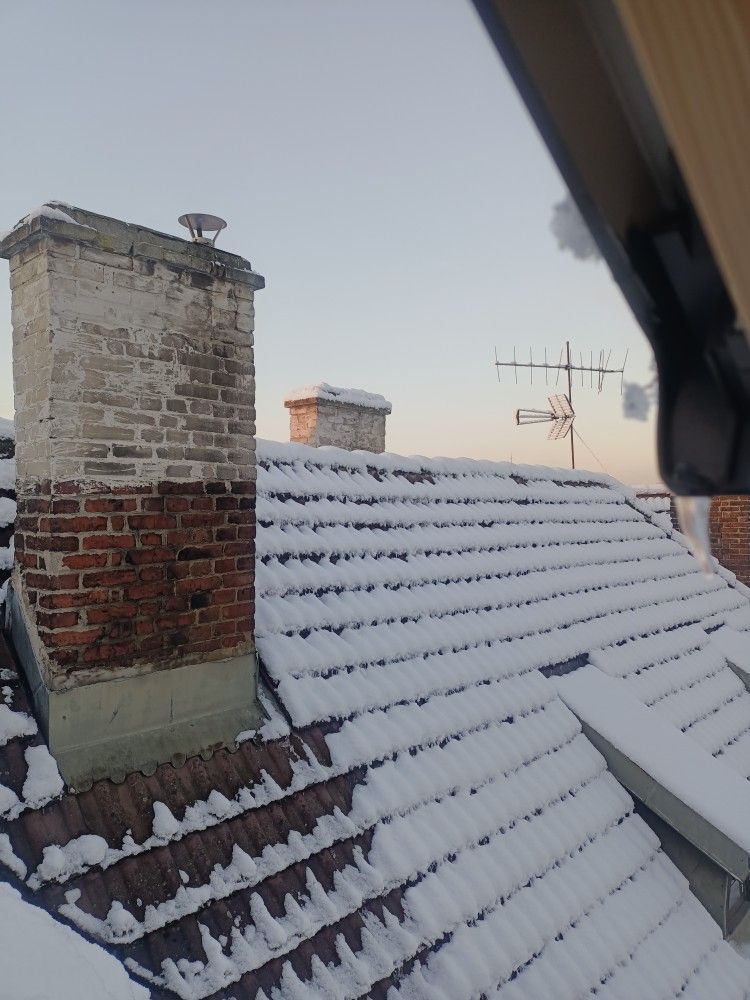
- Snow load stressing older roof systems
- Flooding from coastal surge overlapping with wind damage
When more than one cause contributes to damage, coverage questions get more complicated. Policy language matters. Deductibles matter. Endorsements matter.

The Hidden Costs Homeowners Discover Too Late
Many homeowners assume their policy will simply “cover the damage.” The reality is more nuanced than asking “am I covered?”
Here are some of the most common surprises we see:
- Flood confusion: Standard homeowners policies do not cover flood damage. If storm surge or coastal flooding contributes to loss, coverage depends entirely on whether a separate flood policy is in place.
- Wind deductibles: Coastal wind deductibles are often percentage-based, not flat dollar amounts. That means a $1M replacement limit could carry a significantly higher out-of-pocket cost than expected.
- Ordinance & law gaps: If local building codes require upgrades during repairs, basic policies may not fully cover those additional costs.
- Underinsured dwelling limits: Coastal reconstruction costs are higher due to labor scarcity and material transport. Replacement values must reflect real rebuild pricing — not outdated estimates.
- Delayed mitigation = larger loss: When contractor availability is limited during peak winter events, water damage spreads, and secondary mold becomes an issue.
These aren’t rare scenarios. They’re common.
For Commercial Property Owners: The Risk Extends Beyond the Building
For apartment or condo buildings, restaurants, retail shops, fitness centers and salons winter storms don’t just damage structures. They interrupt income.
Hidden commercial exposures often include:
- Business interruption limits that don’t reflect real revenue
- Spoilage coverage gaps for food and inventory
- Equipment breakdown exclusions during power outages
- Vacancy clauses affecting seasonal businesses
- Extended downtime due to limited coastal contractor capacity
When a storm closes your doors for weeks instead of days, coverage adequacy becomes a business survival issue — not just a paperwork detail.
How Smart Coastal Property Owners Prepare Differently
Preparation shouldn’t be panic-driven, right before the storm. It’s strategic.
Proactive homeowners and business owners take these steps before the next storm hits:

For Commercial Properties:
- Review business interruption limits against actual revenue
- Confirm spoilage and refrigeration breakdown coverage
- Assess wind and coastal deductibles
- Update inventory documentation before peak storm season
- Identify mitigation vendors in advance
Preparation doesn’t eliminate risk — but it prevents avoidable financial shock.
The Coastal Difference Is Real
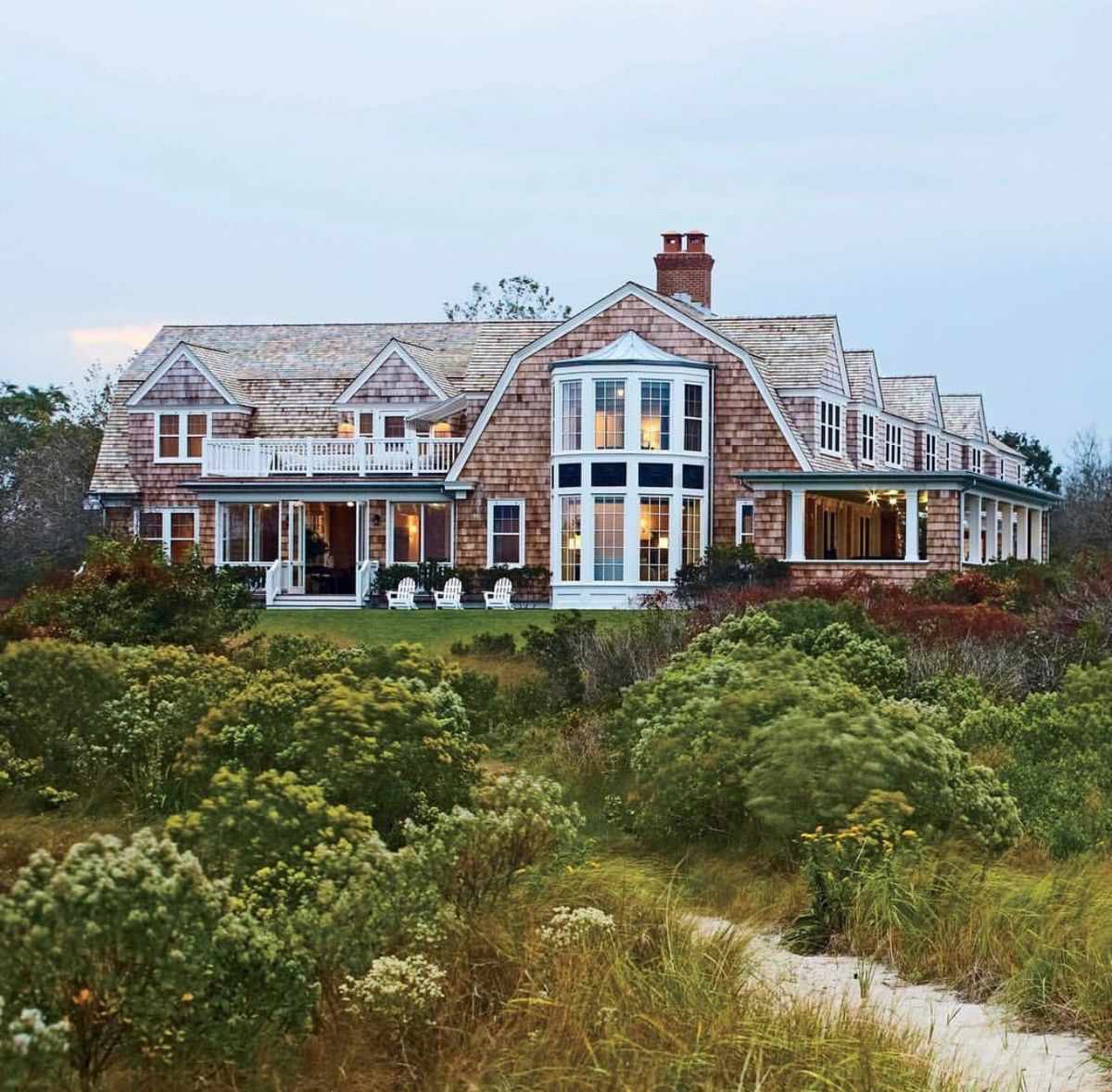
Cape & Islands properties face unique exposure. Aging housing stock, proximity to salt air, wind intensity, seasonal occupancy, and contractor shortages all compound winter losses.
That’s why cookie-cutter insurance reviews aren’t enough.
Your policy needs to reflect:
- Your specific property type
- Your occupancy pattern
- Your coastal proximity
- Your true rebuild cost
- Your business revenue reality
The difference between being adequately insured and underinsured often comes down to one thorough review conversation.
Don’t Wait for the Claim to Learn the Lesson
The worst time to discover a coverage gap is after a storm.
If you own residential or commercial property on Cape Cod, Nantucket, or Martha’s Vineyard and haven’t reviewed your winter storm coverage recently, now is the time to do it — not after a loss.
Reach out to review your policy with an experienced insurance agent today. A proactive review now can prevent costly surprises later.