
How to Spot Leftover Winter Damage to Your Cape Cod, Nantucket or Martha’s Vineyard Property
by McShea Insurance: How to Spot Leftover Winter Damage to Your Cape Cod, Nantucket or Martha’s Vineyard Property
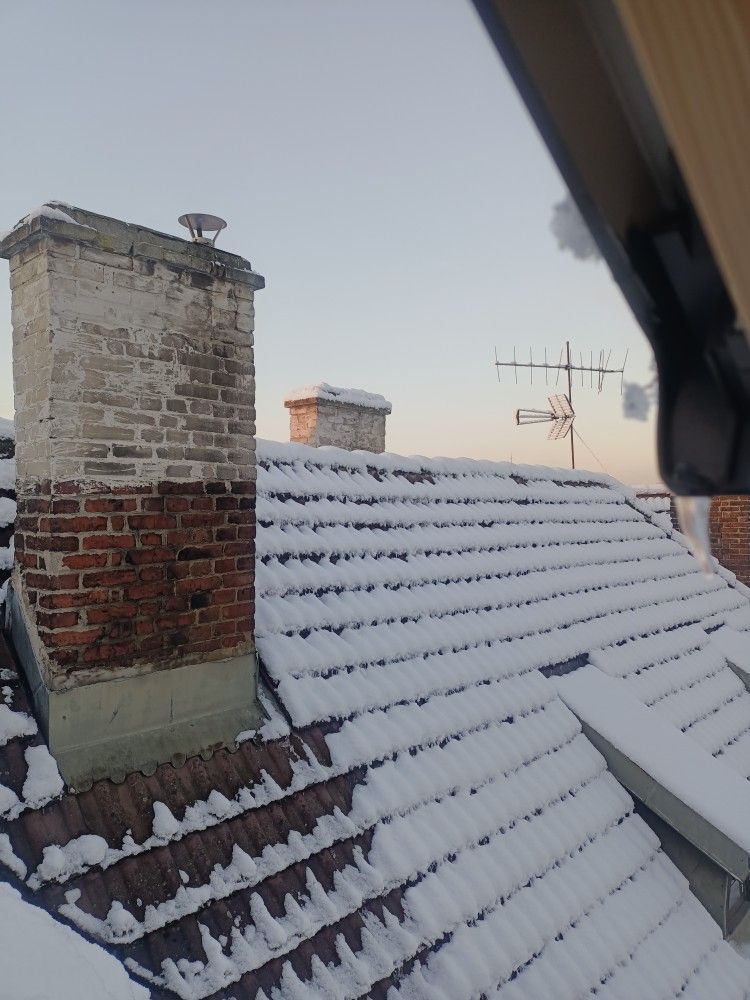
Spring home inspection Cape Cod insurance should be top of mind as winter fades across coastal Massachusetts. Winter on Cape Cod, Nantucket, and Martha’s Vineyard can quietly cause damage that surfaces in spring. Small issues can quickly turn into expensive insurance claims if ignored. Homeowners should look for warning signs like lifted shingles, water stains, cracked siding, and weakened tree limbs. This blog shows what to check, where to look, and when to involve your insurance agent. Catching issues early protects your home and helps avoid coverage complications later.
Why Winter Damage Often Goes Unnoticed
First, winter damage builds slowly and often stays hidden. Ice dams can push water under your roof without obvious signs. Then, wind-driven rain forces moisture into small openings around your home. Freeze and thaw cycles also expand and contract materials repeatedly. Although damage starts small, it worsens over time. By spring, what looked minor can turn into a much larger issue.
Exterior Warning Signs to Check First
Start with the exterior since it takes the most impact during winter.
Roof (missing or lifted shingles)
Wind and ice can loosen shingles over time. You may notice curling, cracking, or missing sections. Although it seems minor, exposed areas allow water to enter. This can lead to leaks and interior damage. Over time, repair costs increase quickly.
Gutters (ice damage or separation)
Ice buildup can pull gutters away from your home. Debris may also clog drainage systems. Although gutters seem simple, they control water flow around your property. Poor drainage can cause water to pool near your foundation. Then, you risk basement leaks or structural issues.
Siding and trim cracks
Freezing temperatures cause materials to expand and contract. This stress leads to cracks, gaps, or warping. Although damage may look cosmetic, it allows moisture inside. This can lead to rot and mold behind the walls. Then, repairs become more invasive and expensive.
Tree limbs and debris
Heavy snow weakens branches even if they do not fall right away. Although they may still look stable, they are more likely to break later. Spring winds can bring them down unexpectedly. This creates risk for roof damage or liability claims. Clearing them early reduces that risk.
Interior Signs You Shouldn’t Ignore
Next, move inside to check for hidden damage.
Water stains on ceilings or walls
Stains often appear as yellow or brown discoloration. These typically indicate a slow leak from winter damage. Although the leak may seem inactive, moisture can remain trapped. This creates conditions for mold growth. Left untreated, it can lead to structural damage.
Musty smells or damp air
A musty smell often signals hidden moisture behind walls or floors. This can result from small leaks that went unnoticed during winter. Although you may not see visible damage, the issue may still be spreading. Moisture buildup can lead to mold and air quality concerns. Early detection is key.
Peeling paint or bubbling drywall
Moisture behind walls can cause paint to peel or bubble. Drywall may also feel soft or uneven. Although this may look like normal wear, it often signals water intrusion. Over time, the damage can spread deeper into the structure. Repairs become more extensive if delayed.
Coastal-Specific Risks to Pay Attention To
Consider risks unique to coastal properties:
Wind exposure
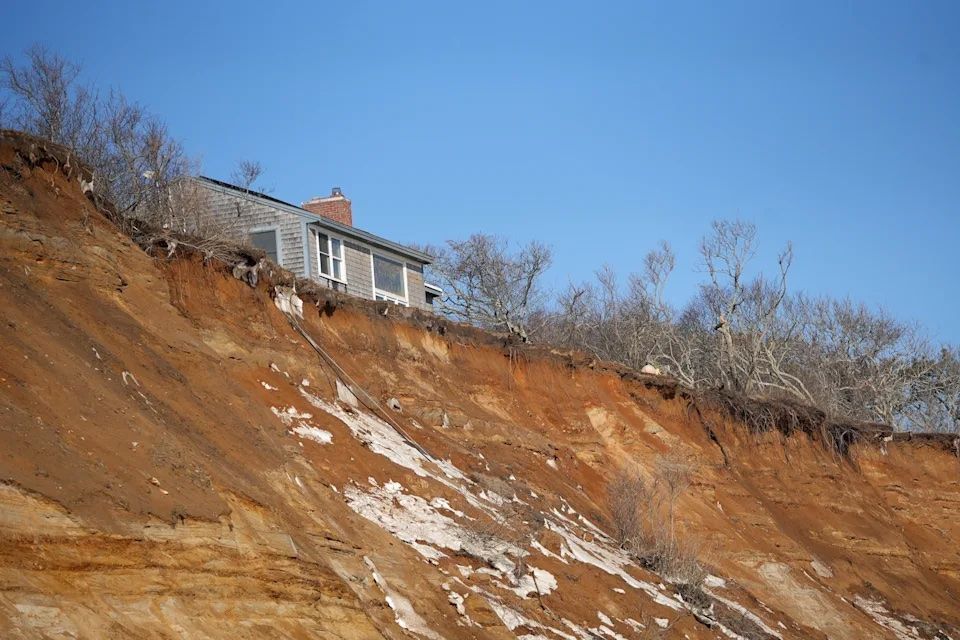
Cape and Island homes face stronger and more frequent winds. These conditions can loosen roofing and siding materials. Although damage may not be immediate, it builds over time. Repeated exposure weakens your home’s exterior. This increases your risk during the next storm.
Salt air wear
Salt in the air accelerates corrosion and material breakdown. Metal components and exterior finishes degrade faster. Although the change is gradual, it reduces your home’s durability. Over time, this can lead to unexpected repair needs. Regular inspections help catch early signs.
Seasonal or vacant home risks
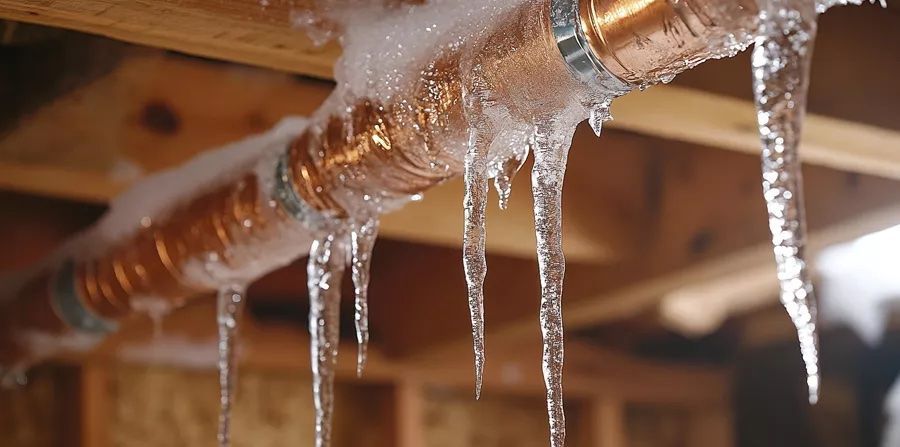
Many coastal homes sit vacant during colder months. This increases the risk of unnoticed issues like frozen pipes or heat loss. Although everything may seem fine at first, damage may already exist. Small problems can go undetected for months. Then, they become costly surprises in spring.
When to Call Your Insurance Agent
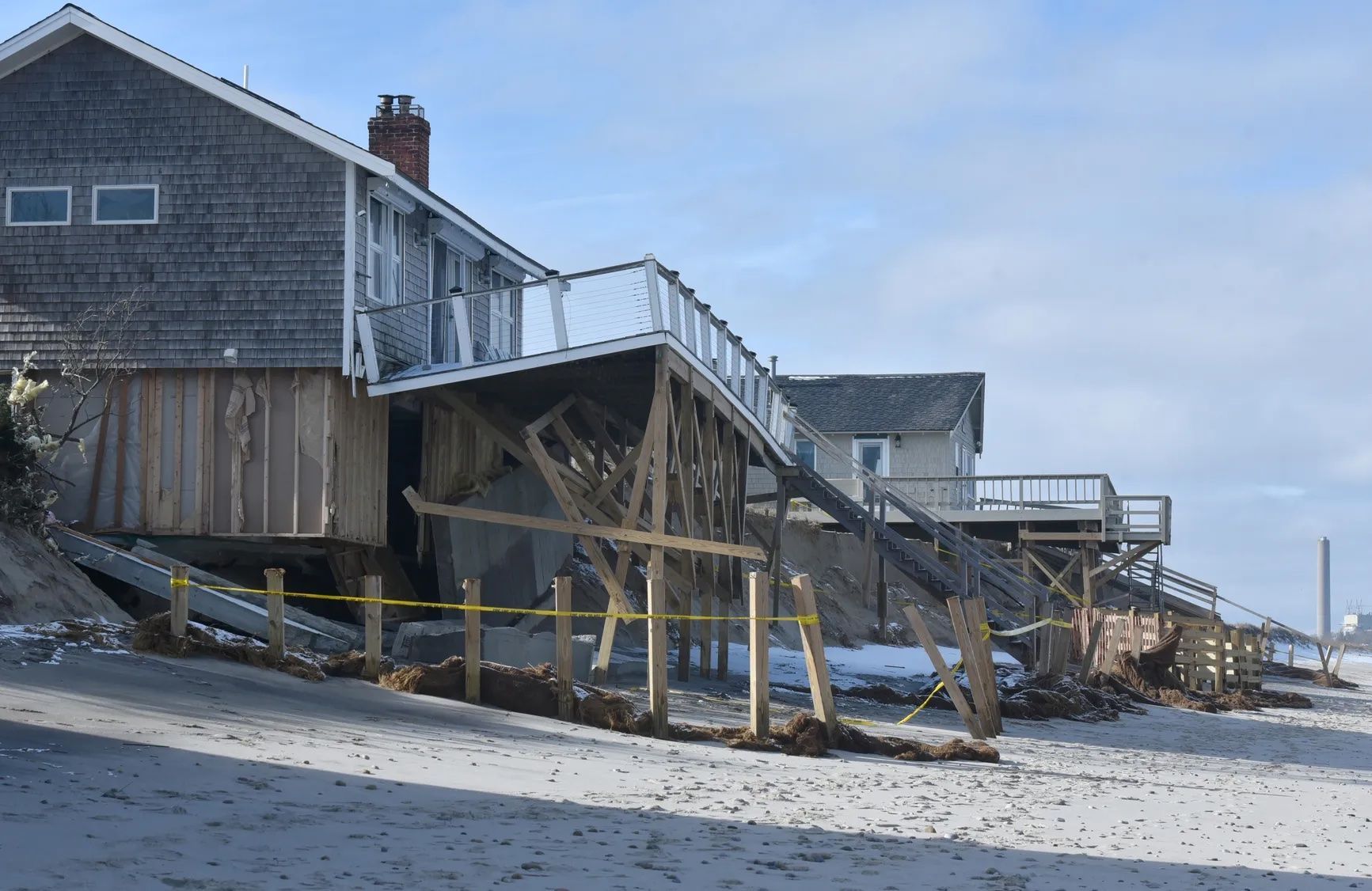
Lastly, knowing when to involve your insurance agent is just as important as spotting damage. Call your agent if you notice sudden or severe damage from a specific event. Document everything with photos and notes. Although maintenance issues are typically not covered, storm-related damage often is. If you are unsure, it is always better to ask before making repairs. This helps you avoid claim mistakes or coverage gaps.