
What to Watch Out for When Purchasing a Home in 2026: Insights from an Insurance Agency
by McShea Insurance | What to Watch Out for When Purchasing a Home in 2026: Insights from an Insurance Agency
Buying a home in 2026—especially on Cape Cod or the Islands—requires a closer look at insurance risk. If you want a quick, easy reference, you can download our “What to Watch Out For When Purchasing a Home in 2026” checklist for coastal buyers. It breaks down the exact items we review as insurance agents before making an offer, all in one place.
👉 Download the
PDF checklist here or continue reading the full blog below!
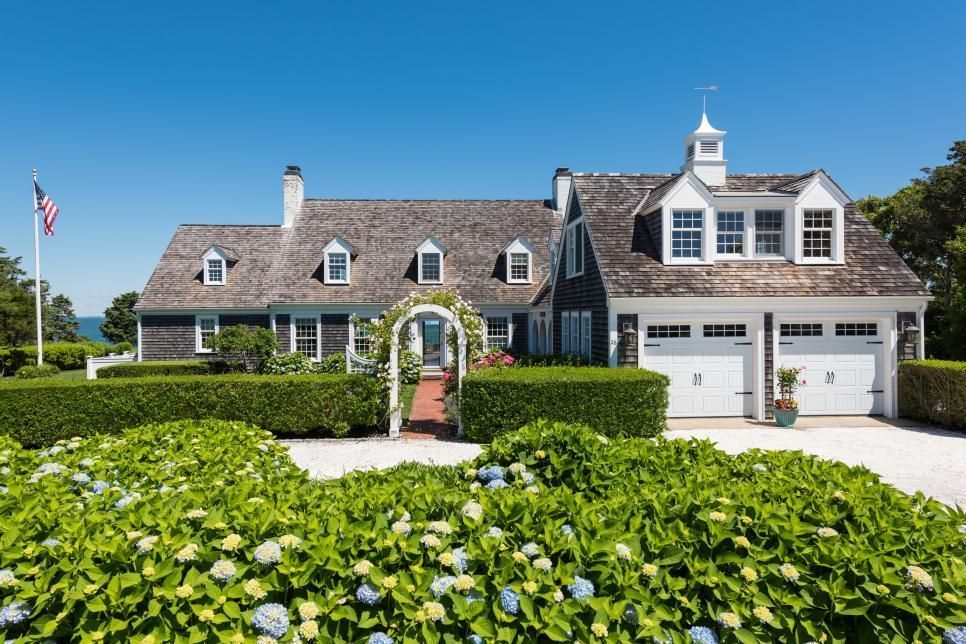
A coastal buyer’s perspective on insurance risks, rising premiums & hidden details that matter before you make an offer:
Buying a home in 2026 looks different than it did five years ago. Insurance markets have tightened, especially on Cape Cod and the Islands. Carriers have pulled back from coastal risk. Premiums, deductibles, and underwriting rules have changed. That’s why what you discover before closing matters more than ever.
As a local insurance agency, we hear horror stories from homeowners about “never-going-to-happen” claims. Ones cause major devastation and significant stress. This experience changes how we buy real estate as insurance agents. Although a home may look perfect inside and out, risk hides in the details. Below is exactly what we would check first if we were buying a home in today’s market.
1. Prior Claims History (Last 3–5 Years)
First, we would ask about prior insurance claims from the last three to five years. Although buyers often focus on cosmetic updates, claims history tells the real story. Water losses, fire claims, and storm damage follow the property itself.
This matters because:
- Claims impact carrier eligibility
- Recent losses reduce available options
- Some claims trigger higher deductibles
If the realtor does not know, we would ask them to ask the seller directly. This step is critical. It protects the buyer, not the transaction timeline.
2. Roof Type and Replacement Date
Next, we’d inspect the roof before falling in love just yet. Roofs are costly to replace and remain one of the most heavily weighted factors in insurance underwriting decisions. More specifically, roof type and age heavily influence coastal underwriting.
We would want clear answers on:
- Roof material
- Replacement date
- Proof of permits or invoices
Although a roof may “look fine,” age still matters. Older roofs often trigger higher wind deductibles. Some policies may even exclude wind coverage entirely. That is not a surprise you want at closing.
3. Water Heater Age
Although it feels minor, water heaters cause major claims. A failed water heater can flood a home within hours. The damage is sudden, expensive, and disruptive. In 2026, many carriers flag water heaters over ten to twelve years old. Some require replacement before binding coverage. This one detail can save thousands later.
4. Window Age and Type
Windows matter more than most buyers think. They play a major role in coastal storm losses.
- Older windows fail under wind pressure
- Salt air accelerates wear over time (even if you are not near the ocean, you are on Cape or the Islands!)
We would ask when the windows were last replaced and whether they are impact-rated. Newer windows can reduce wind deductibles and rates! Older, drafty windows often increase deductibles and drive up winter heating costs. That difference adds up fast during a named storm.
5. Underground Pipes and Service Lines
Underground pipes and service lines are one of the most overlooked loss sources we see as insurance agents. Although they are “out of sight,” they are very much not out of risk. Many homeowners assume these pipes are covered automatically. They usually are not.
Asking “What material are the underground pipes or service lines?” is appropriate because:
- Older homes may have
clay, cast iron, or Orangeburg piping
- These materials deteriorate over time, especially in coastal soil
- Salt air, moisture, and ground movement accelerate failure
When these pipes fail, the damage is often severe and sudden. Realtors may say this feels “too detailed.” It isn’t. This question does not delay a transaction. It protects the buyer from a massive, unexpected expense.
6. Flood Zone Designation
Flood risks must be addressed early. Flood insurance policies are typically separate policies from homeowners insurance and can be very expensive but required by banks.
- Ask your insurance agent to look up the property’s flood zone for you.
- Don’t forget to ask about prior flood insurance claims as well!
Flood premiums vary drastically by zone and elevation.Two homes right next to each other can price very differently. Waiting until after the offer creates unnecessary stress.
7. Elevation Certificate Availability
Elevation certificates directly affect flood insurance premiums. Although many buyers have never heard of them, carriers rely on these documents heavily. When an elevation certificate is missing, flood policies often default to higher rates. That can significantly increase annual costs. On Cape Cod and the Islands, even small elevation differences matter. If a surveyor has completed an elevation certificate, request it as early as possible from the seller’s realtor. If one does not, factor that uncertainty into the purchase decision. This is especially important for homes in or near flood zones.
8. Electrical System Type
Next, we would review the home’s electrical system carefully. Outdated wiring:
- Increases risk of fire
- Raises red flags for insurance carriers
Systems like knob-and-tube or aluminum wiring remain common in older coastal homes. Many carriers will decline these risks entirely. Others require upgrades before binding coverage. Asking whether the electrical system has been updated can prevent major delays. It can also avoid last-minute denials close to closing.
9. Heating System & Fuel Source
Heating systems influence both safety and insurability. Oil systems, while common locally, carry higher leak and cleanup exposure. We would ask when the system was last serviced and whether maintenance records exist. Well-documented systems improve underwriting approval. Poorly maintained systems increase claim risk and insurance scrutiny. In 2026, carriers care about this more than ever.
10. Proximity to Water & Storm Exposure
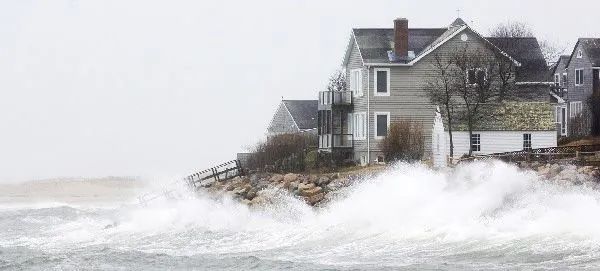
Lastly, we would look beyond listing photos and consider location carefully. Distance to the shoreline directly affects wind deductibles and carrier appetite. Storm exposure matters even if the home is not waterfront. Some carriers restrict properties in high-exposure areas altogether, even when not directly on the water. Others require higher deductibles or limited coverage. Understanding this early helps buyers make informed decisions. It also prevents surprises after an offer is accepted.
Final Advice Before You Buy
Insurance and inspections should never be an afterthought, especially in 2026. For today’s coastal buyers, it is a critical part of the homebuying strategy, not a final step. Before making an offer, it is worth slowing the process slightly and asking better questions. Start with the realtor, and if answers are unclear, have them ask the seller directly. Then, involve your insurance advisor early, not after inspections or days before closing. An early review can:
- uncover red flags
- clarify true ownership costs
- and preserve coverage options.
But most importantly, it can prevent expensive, last-minute surprises. If you are buying on Cape Cod, Nantucket, or Martha’s Vineyard, we are always happy to review a property before you commit. That is how informed coastal homeowners buy in 2026. Reach out for a free quote today and don’t forget to👉 download the
PDF checklist here.
Reach out to us for a quote or coverage review:
Contact McShea Insurance Agency