
Worried About Winter Heating Bills? Here's What Massachusetts Homeowners Should Check Before the Cold Arrives
Massachusetts winter home preparation can help you reduce wasted heat and prevent an expensive surprise when temperatures drop. Nobody wants to pay to heat the neighborhood. But turning your thermostat way down can create another expensive problem: frozen pipes.
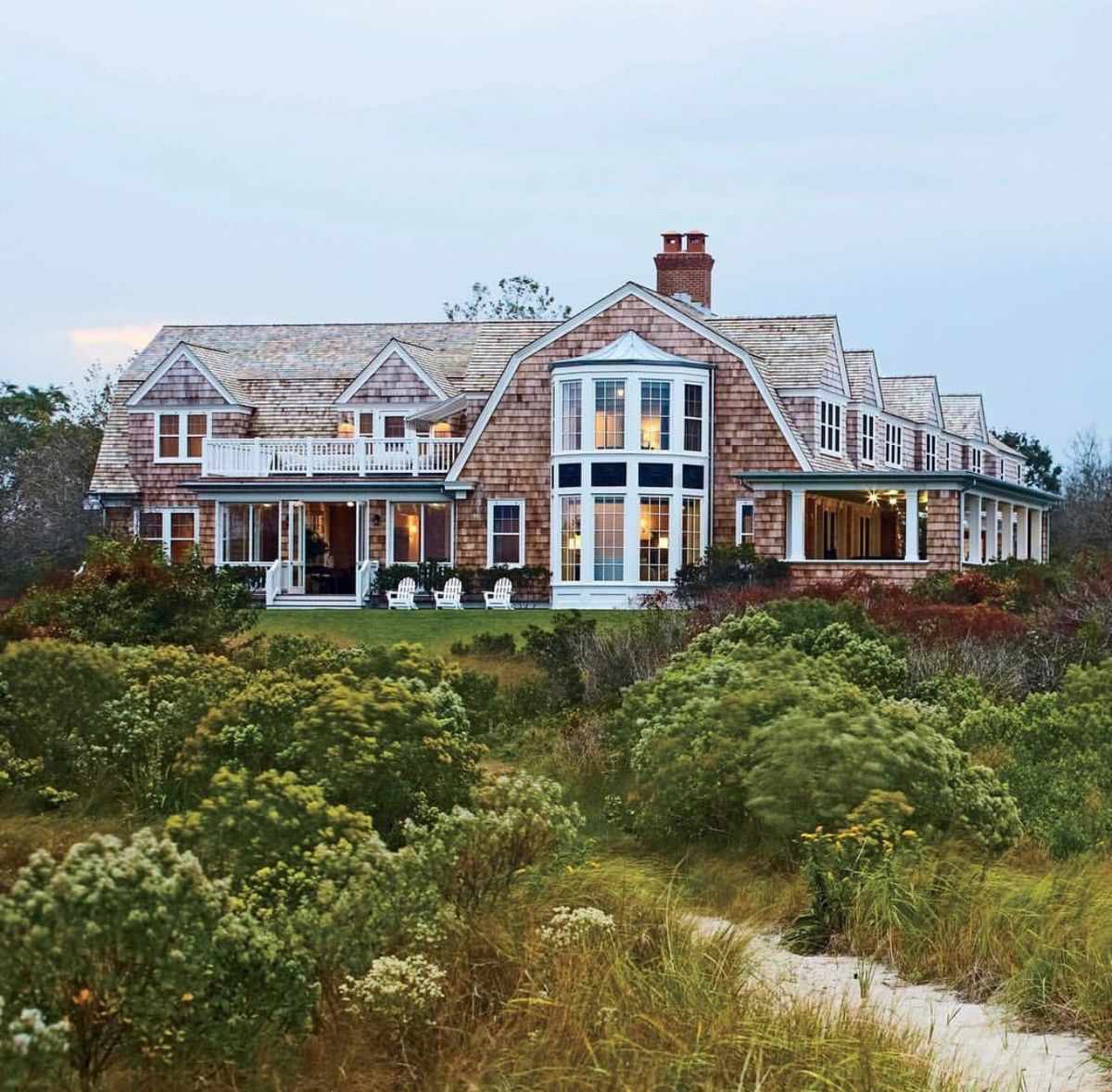
October is a good time to check drafts, service heating equipment, and prepare any home you’re leaving empty. For Cape Cod, Nantucket, and Martha’s Vineyard homeowners, that last step deserves special attention.
Here’s what to check before the cold arrives.
How can I reduce heat loss and avoid wasting energy?
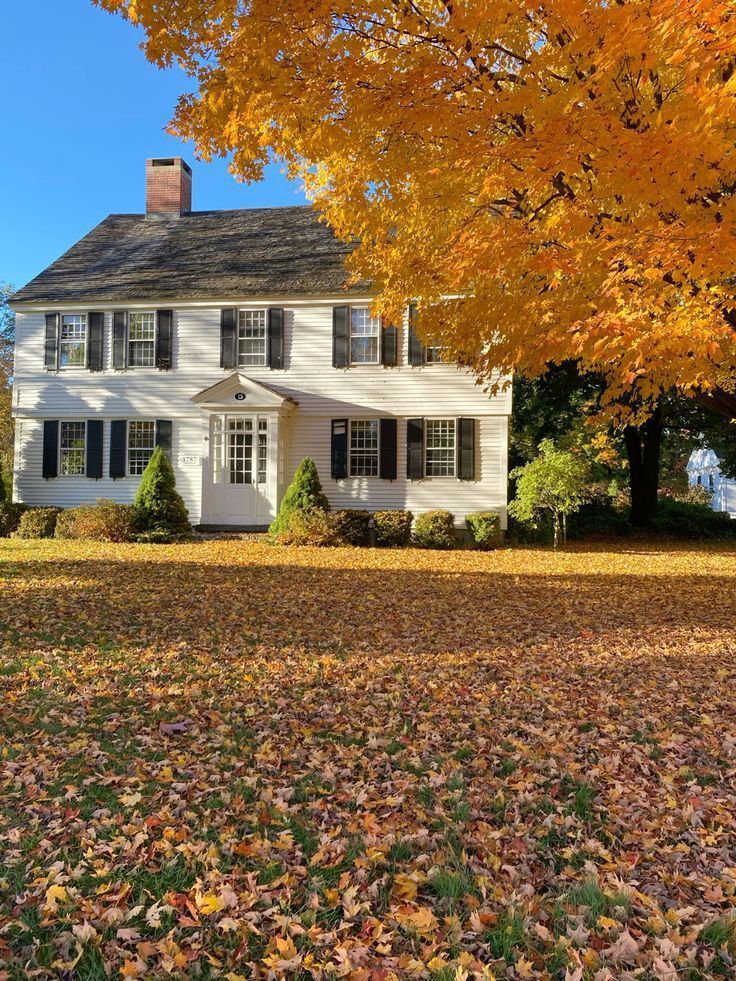
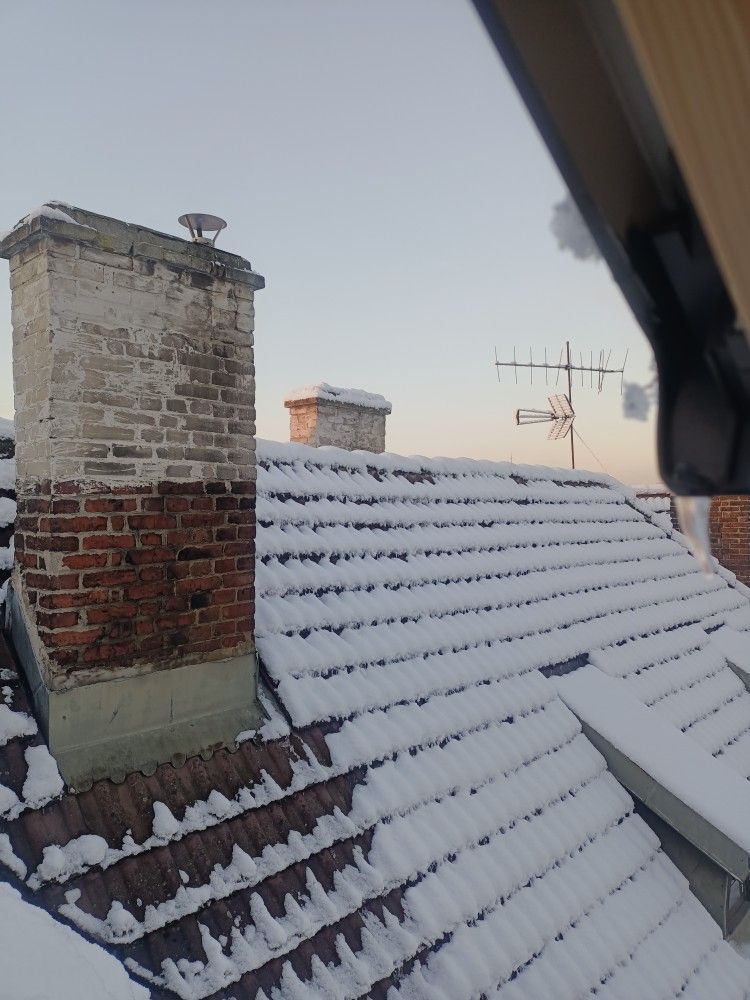
A portable heater should never be your unattended winter heating plan. For fireplaces and wood stoves, arrange a professional chimney inspection and cleaning before seasonal use. Creosote buildup, blockages, and damaged chimneys can create fire hazards. Use a fireplace screen and burn dry, seasoned wood. Also, test your smoke and carbon monoxide alarms.
Finally, schedule professional service for fuel-burning heating equipment. Don’t wait until the first freezing night to discover a problem.
What causes frozen pipes and costly water damage?
Pipes freeze when the water inside reaches freezing temperatures. Expanding ice can create pressure that ruptures the plumbing.
Common trouble spots include exterior walls, crawl spaces, garages, and other poorly heated areas
Heat loss can follow a furnace failure, power outage, missed fuel delivery, or thermostat setting that’s too low.
A warm living room doesn’t mean every pipe is warm. Plumbing hidden inside an exterior wall may face very different conditions.
Imagine leaving your Nantucket home after a fall weekend. The heating system stops working, and nobody notices. A pipe freezes, breaks, and leaks as temperatures rise. With nobody there to intervene, water can damage floors, ceilings, and belongings.
That’s why Massachusetts winter home preparation needs both freeze prevention and a plan for catching problems quickly.
Five tips to help prevent a costly frozen-pipe claim
1. Keep reliable heat throughout the home
Don’t turn off the heat simply because nobody is staying there.
Travelers recommends at least 55°F. Chubb recommends at least 65°F, including separate heating zones.
These are prevention recommendations, not universal insurance requirements. Confirm the right settings with your heating professional and insurance agent.
Also, be sure to check fuel deliveries and heating performance before leaving.
2. Protect plumbing in cold spots
Have vulnerable hot and cold water pipes assessed for insulation.
Pay particular attention to exterior walls, crawl spaces, and unheated areas. Pipe insulation helps, but it cannot replace adequate heat indefinitely.
During severe cold, open sink cabinet doors so warmer air can reach plumbing. If this is for your second home, ask a neighbor or property manager to stop by the property and do so.
Keep hazardous cleaning products away from children and pets.
3. Winterize outdoor plumbing before freezing weather
Disconnect garden hoses and arrange proper draining of outdoor faucets, irrigation systems, and outdoor showers.
An outdoor shower is a summer perk. Trapped water can become an unn necessary and costly winter repair bill.
Ask a qualified professional to confirm the correct procedure for your setup.
4. Have a professional plan for an empty home
If you’re closing the house for winter, ask a plumber about shutting off water and draining vulnerable systems.
Turning off the main supply alone does not remove water already inside pipes or appliances.
Boilers and fire sprinklers require special consideration. Don’t shut off their water supplies without professional guidance.
5. Pair monitoring with someone who can respond
Consider low-temperature alerts, leak sensors, and an automatic water shutoff system.
Then arrange regular property checks and give a trusted local contact access.
Confirm how monitoring works during power or internet outages. An alert helps only when someone can act on it.
What changes if I’m leaving my Cape or Islands home empty for winter?
Your winter routine needs to account for the weeks when nobody is there.
Before leaving Cape Cod, Nantucket, or Martha’s Vineyard, confirm your heating, plumbing, monitoring, and property-check arrangements.
Also, tell your insurance agent how long you’ll be away. Explain whether the home remains furnished, receives visits, or hosts renters.
“Seasonal,” “unoccupied,” and “vacant” can mean different things under an insurance policy.
Leaving for winter does not automatically mean every loss is excluded. However, occupancy changes and freeze-prevention conditions can affect coverage.
Ask your agent to review the actual policy language before you leave.
Many homeowners policies cover sudden burst-pipe water damage when applicable conditions are met. Failing to take required freeze precautions can affect a claim.
However, repairing worn-out heating equipment is a separate issue. Standard homeowners insurance generally does not pay for ordinary wear and tear.
Optional equipment breakdown coverage may address certain mechanical or electrical failures. It generally excludes normal wear and tear, too.
Your agent can explain how your specific policy treats both the equipment and any resulting damage
Get your home—and your insurance—ready before the cold arrives
Massachusetts winter home preparation is easier before you’re dealing with a cold house or a leaking ceiling.
Since 1986, family-owned McShea Insurance Agency has helped Massachusetts homeowners understand their insurance options.
We help homeowners across Cape Cod, Nantucket, Martha’s Vineyard, and throughout Massachusetts evaluate their risks and coverage needs.
Leaving for winter, updating your heating equipment, or unsure about frozen-pipe coverage?
Contact McShea Insurance Agency for a policy review or a no-obligation homeowners insurance quote.