
Does Your Home Insurance Cover Your Airbnb or VRBO? The Answer May Surprise You.
by McShae Insurance: Does Your Home Insurance Cover Your Airbnb or VRBO? The Answer May Surprise You.
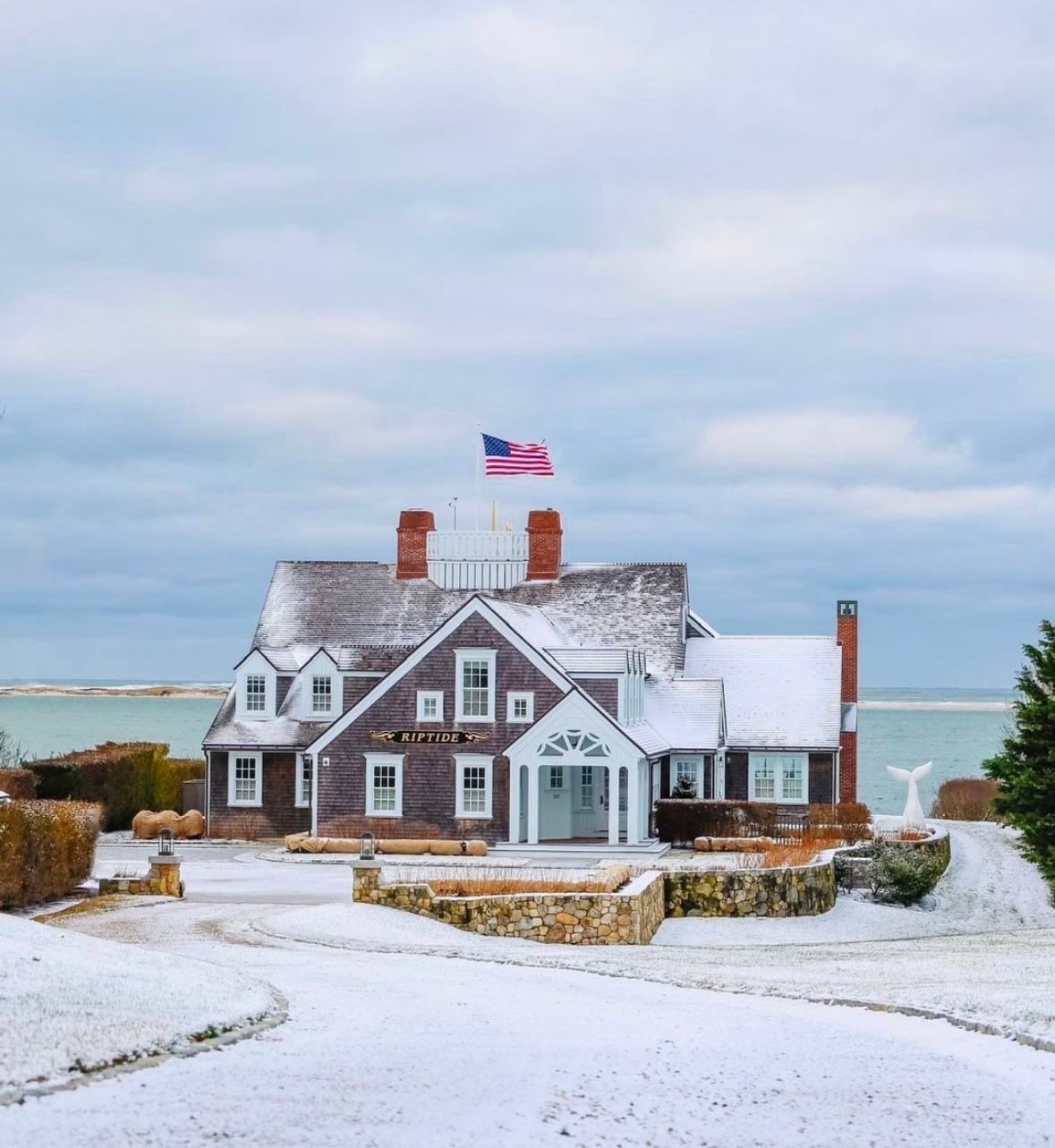
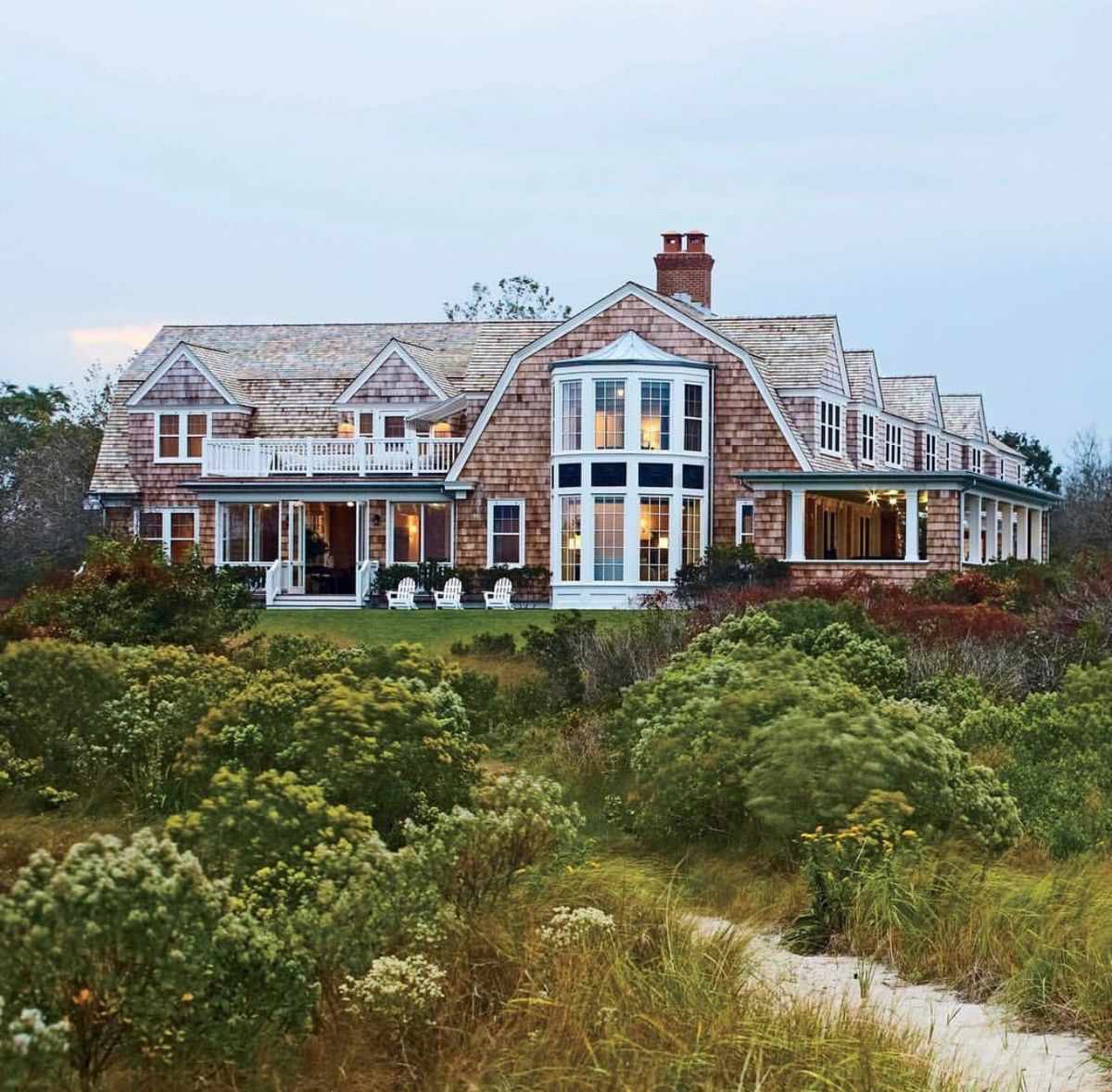
With summer rental season in full swing across Cape Cod, Martha's Vineyard, Nantucket, and the Islands, many homeowners are looking to earn extra income by renting out their homes for a few weeks—or even just a long weekend.
But before you hand over the keys, there's one important question you need to ask:
Does your homeowners insurance actually cover your short-term rental?
For many property owners, the answer is no.
Unfortunately, one of the biggest misconceptions we encounter is the belief that a standard homeowners policy automatically extends coverage to Airbnb, VRBO, and other short-term rental activities. In reality, renting your property—even temporarily—can create significant coverage gaps that could leave you paying out of pocket for a major loss.
Let's separate fact from fiction.
Myth #1: "My Homeowners Insurance Covers My Airbnb or VRBO"
Many homeowners assume that because their property is insured, any damage that occurs while guests are staying there will be covered.
Unfortunately, that's often not the case.
Standard homeowners policies are designed for owner-occupied residences used for personal purposes. Once you begin renting the property to others, insurance companies may classify that activity as a business exposure.
Most homeowners policies contain business activity exclusions that can limit or eliminate coverage for claims related to short-term rentals.
This can affect much more than guest-related incidents.
Depending on the policy language, an insurer could potentially deny claims involving:
- Fire damage
- Water damage
- Theft
- Vandalism
- Liability lawsuits
- Other losses that occur while the home is being used as a rental
Many homeowners are shocked to learn this only after a claim occurs.

Myth #3: "Airbnb's AirCover or VRBO's Protection Is All I Need"
Platforms like Airbnb and VRBO offer host protection programs, which leads many property owners to believe they are fully insured.
The reality is that these programs are not the same as a traditional insurance policy.
They contain limitations, exclusions, and conditions that can restrict coverage when you need it most.
For example, these programs may not provide protection for:
- Lost rental income
- Certain liability lawsuits
- Wear and tear
- Property maintenance issues
- Coverage disputes between the platform and the host
Unlike a policy issued by an insurance carrier, platform protection programs do not always provide the same rights and guarantees that come with dedicated insurance coverage.
Relying solely on these programs can leave significant gaps in your protection.
Myth #4: "A Landlord Policy Covers My Vacation Rental"
A traditional landlord policy is designed for long-term tenants who sign lease agreements and occupy the property for months or years.
Short-term rentals create a completely different set of exposures.
With vacation rentals, guests change frequently, increasing the chances of:
- Property damage
- Liability claims
- Accidental injuries
- Theft
- Damage to furnishings and amenities
Many standard landlord policies were never designed to address these risks and may not adequately cover guest-caused damage or certain liability exposures associated with vacation rentals.
The Biggest Risk: Liability Claims
Property damage gets most of the attention, but liability claims are often the most financially devastating losses for short-term rental owners.
Consider these scenarios:
- A guest slips on wet deck stairs.
- A child falls from a bunk bed that doesn't meet current safety standards.
- A guest is injured while using your hot tub or pool.
- Someone crashes a bicycle or kayak provided by the property.
These incidents can lead to lawsuits seeking hundreds of thousands—or even millions—of dollars in damages.
Many owners are surprised to learn that their personal umbrella policy may not extend coverage to short-term rental exposures.
Without the proper insurance in place, you could be personally responsible for legal costs, settlements, and judgments.
What About Loss of Rental Income?
This is another major gap.
Traditional homeowners policies provide coverage for "loss of use" of your home, but they are not designed to replace rental revenue because the home is not intended to operate as a business.
If a fire, storm, or other covered event makes your rental property uninhabitable during peak summer season, a standard homeowners policy typically won't reimburse you for lost bookings.
For many Cape and Islands property owners, that could mean losing thousands of dollars in expected rental income.

Is a Home-Sharing Endorsement Enough?
Sometimes.
Some insurance carriers offer home-sharing endorsements that can be added to a homeowners policy.
These endorsements may work well for homeowners who occasionally rent a room within their primary residence while continuing to live in the home.
However, endorsements often come with restrictions regarding:
- Number of rental days
- Annual rental income
- Occupancy requirements
- Property type
More importantly, they may not provide the broad protection needed for a dedicated vacation rental property.
If the home is not your primary residence, an endorsement may not even be available.
The Better Solution: Short-Term Rental Insurance
If you regularly rent your property through Airbnb, VRBO, direct bookings, or seasonal rentals, you should strongly consider a policy specifically designed for short-term rentals.
Specialized short-term rental insurance can provide coverage for:
Guest Liability Claims
Protection for bodily injury claims involving paying guests and visitors.
Property Damage
Coverage for accidental and guest-caused damage to the home and its contents.
Loss of Rental Income
Reimbursement for lost rental revenue when a covered claim prevents future bookings.
Amenity Liability
Protection for exposures involving pools, hot tubs, bicycles, kayaks, docks, and other guest amenities.
Enhanced Protection
Additional coverage options may include equipment breakdown, bed bug remediation, guest-caused damage, and other unique short-term rental risks.
Don't Assume You're Covered
The popularity of short-term rentals continues to grow throughout Cape Cod and the Islands, but so do the risks.
Whether you're renting your home every week during the summer or simply allowing a family friend to stay there while you're away, it's important to understand how your insurance responds before a claim occurs.
The last thing any property owner wants is to discover a coverage gap after a guest gets injured or property damage occurs.
If you're currently renting your home—or considering it—reach out to
McShea Insurance Agency for a complimentary policy review and no-obligation quote. We'll help you understand your current coverage, identify potential gaps, and explore insurance solutions designed specifically for short-term rental properties.