
Is Massachusetts in the Clear? What Homeowners Should Know About Fall Storm Season
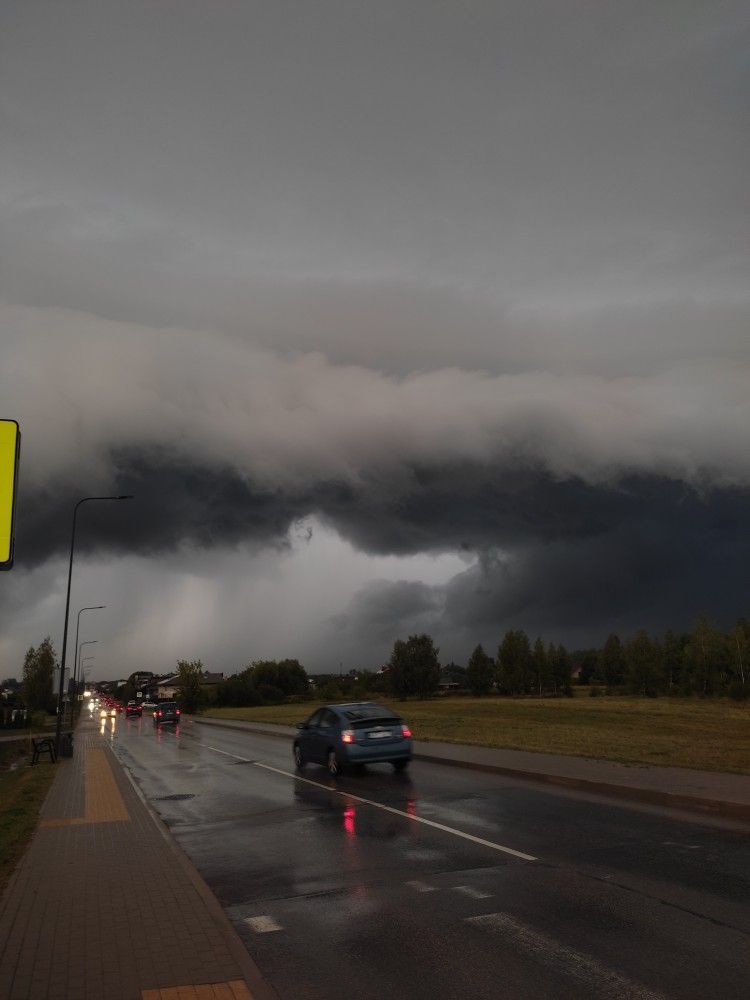
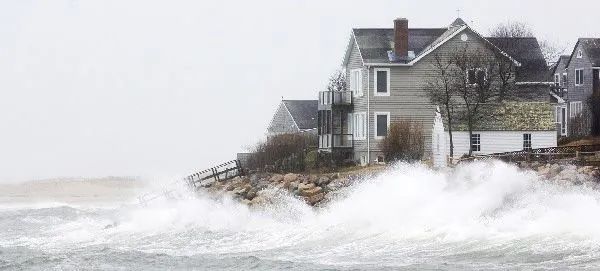
Does a quiet hurricane season mean Massachusetts homeowners are in the clear? Not necessarily.
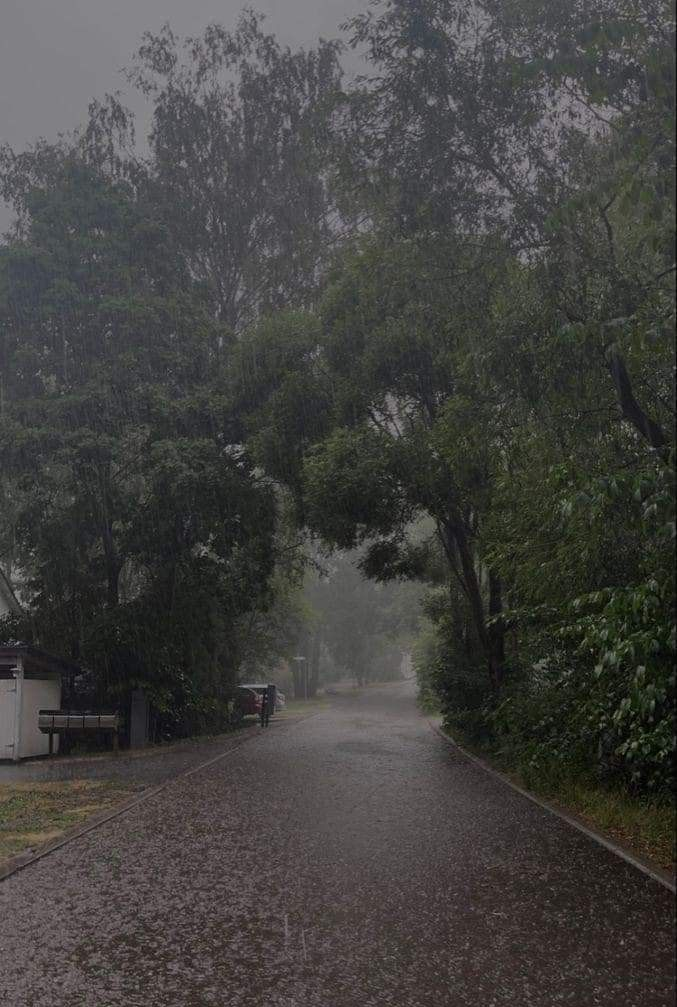
What storm damage does homeowners insurance cover in Massachusetts?
It depends on what actually caused the damage and the specific terms of your policy.
A standard Massachusetts homeowners policy may provide coverage for certain types of wind, falling-tree and rain-related damage. But there can be exclusions, limitations and separate deductibles.
Flooding is one of the biggest areas of confusion. Homeowners insurance generally does not cover damage caused by flooding.
A separate flood insurance policy may be needed. For example, imagine strong winds damage your roof and rain enters your house through that opening. That may be treated very differently from water rising around your home and entering your first floor or basement.
Same storm. Same water. Very different insurance conversation. That is why we encourage clients to understand their coverage
before they are standing in a wet basement trying to figure it out.
The Massachusetts storm claims we see again and again
After nearly four decades working with homeowners, certain scenarios become very familiar.
1. The tree that finally comes down
A homeowner has a large tree or branch near the house that has looked questionable for a while.
Then a fall windstorm arrives.
The branch falls onto the roof, damages shingles or siding, or takes out part of a fence. What could have been a relatively straightforward tree-maintenance expense becomes an insurance claim, contractor appointments and weeks of disruption.
Before storm season: Walk your property and look for dead branches, leaning trees or trees positioned close to your home. When in doubt, have a qualified arborist evaluate them.
2. The gutter problem that becomes an interior water problem
Leaves accumulate quickly in Massachusetts during the fall.
When gutters and downspouts become clogged, heavy rain may not drain away from the home properly. Water can overflow, pool near the foundation or find its way into places it doesn't belong.
Before storm season: Clean gutters, check downspouts and make sure water is being directed away from your foundation. It's not glamorous homeownership. Neither is spending your Saturday dealing with water damage.
3. The sump pump that fails exactly when you need it
Heavy rain arrives. The power goes out. The sump pump stops.
You can probably guess the next part. For homes with finished basements — particularly those containing home gyms, offices, entertainment spaces, wine storage or expensive mechanical equipment — a few inches of water can become a very expensive problem.
Before storm season: Test your sump pump and consider a battery backup or generator. Just as importantly, talk with your insurance advisor about whether you have appropriate water backup coverage.
4. The small roof issue that becomes a big interior claim
Loose or aging shingles may not seem urgent on a sunny September afternoon.
Add strong wind and hours of rain, and suddenly you may be dealing with water-damaged ceilings, insulation, drywall and personal property.
Before storm season: Have roof concerns addressed before severe weather arrives, particularly if your roof is older or you've noticed missing shingles, staining or previous leaks.
Why coastal Massachusetts homeowners need a different insurance conversation

4. Test your sump pump.
If you rely on one, make sure it works before the storm arrives. Consider backup power.
5. Secure your outdoor space.
Patio furniture, umbrellas, grills and décor can become damaged — or cause damage — in high winds.
6. Document your home.
Take updated photos or video of your rooms and higher-value belongings. Store the documentation somewhere you can access even if your home is damaged.
7. Review your insurance before you need it.
Know your homeowners deductible, wind or named-storm deductible if applicable, dwelling limit, water backup coverage and whether you have separate flood insurance.
For higher-value homes, it is also worth reviewing whether your dwelling limit still reflects today's
reconstruction cost, not simply what you paid for the property or what Zillow says it's worth.
Do Massachusetts homeowners need flood insurance if they aren't in a high-risk flood zone?
Potentially, yes. Flood risk does not stop at the boundary of a high-risk FEMA flood zone.
Homeowners insurance generally excludes flooding, which means homeowners should evaluate their flood exposure separately.
This is particularly important for coastal properties, but inland Massachusetts homeowners shouldn't automatically dismiss the risk either. Heavy rainfall, drainage issues and changing weather patterns can create water problems outside the places homeowners traditionally associate with flooding.
Rather than asking only, “Am I required to have flood insurance?” we recommend asking:
“What is my actual flood exposure, and how much of that risk am I comfortable retaining myself?”
Those are two very different questions.
What should owners of high-value Massachusetts homes review?
If your Massachusetts home is worth $700,000, $1 million, $2 million or more, the biggest insurance concern isn't necessarily whether you have a homeowners policy.
It's whether that policy would respond the way you expect after a significant loss.
Review:
- Your dwelling replacement-cost estimate
- Extended or guaranteed replacement-cost provisions, when available
- Wind and named-storm deductibles
- Flood insurance
- Water and sewer backup coverage
- Other structures on the property
- Jewelry, fine art, collectibles and other valuable property
- Personal liability limits
- Umbrella liability coverage
- Coverage for second or seasonal homes
- Ordinance or law coverage for rebuilding to current codes
High-value homes can also involve custom finishes, specialty materials and higher labor costs that make reconstruction significantly different from simply looking at the home's real estate value.
When should you review your homeowners insurance?
Ideally, before something changes — not after a claim.
A good insurance review makes sense when you renovate, finish a basement, add an addition, purchase expensive jewelry or artwork, install a pool, buy a second home or make other meaningful changes to your property.
Fall is also a natural time for Massachusetts homeowners to review coverage because storm exposure becomes top of mind.
If you haven't looked closely at your policy in several years, don't assume that “having insurance” automatically means having the coverage you would choose today.
Massachusetts Homeowners Insurance FAQs
Are hurricanes the biggest fall storm risk for Massachusetts homeowners?
Not necessarily. Hurricanes can cause catastrophic losses, but homeowners also face damage from severe thunderstorms, straight-line winds, heavy rain, nor’easters, falling trees and flooding.
Does Massachusetts homeowners insurance cover wind damage?
Many homeowners policies provide coverage for certain types of wind damage, but deductibles, exclusions and policy terms vary. Coastal properties may have different wind-related requirements or deductibles.
Does homeowners insurance cover a flooded basement?
It depends on what caused the water to enter. Damage caused by external flooding is generally excluded from standard homeowners insurance, while certain sewer or drain backups may require specific optional coverage. Always review the actual policy.
Is flood insurance only for Cape Cod, Martha's Vineyard and Nantucket homeowners?
No. Coastal homeowners may have greater obvious exposure, but properties throughout Massachusetts can experience flooding. Your property's individual location and characteristics matter more than a blanket assumption.
Why is coastal homeowners insurance harder to find in Massachusetts?
Insurance companies evaluate factors such as distance from the coast, wind exposure, roof condition and age, construction characteristics, loss history, occupancy and catastrophe exposure. These factors can limit the carriers willing to insure certain coastal homes.
How often should Massachusetts homeowners review their insurance?
We recommend reviewing coverage at least annually and whenever you make a significant change to your home, belongings or lifestyle.
Nearly 40 years of helping Massachusetts homeowners protect what they've built
Insurance is easy to treat like another bill — until something happens.
At McShea Insurance Agency, we've been a family-owned independent insurance agency since 1986. We work with homeowners throughout Massachusetts, with particular experience navigating the more complex insurance market on Cape Cod, Martha’s Vineyard, Nantucket and other coastal communities.
Our goal isn't to sell every client the exact same policy.
It's to understand the home, identify the risks, explain the options and help each client make insurance decisions based on their individual needs and risk tolerance.
And we want to be the agency you can call years from now — whether you're buying a second home, renovating the one you love, adding an umbrella policy or simply wondering, “Am I still properly covered?”
Because the best time to find a gap in your insurance isn't after the tree is already in your living room.
Is your Massachusetts homeowners insurance ready for the next storm?
If it's been a while since your last coverage review — or you're having trouble finding the right insurance for a coastal Massachusetts property — McShea Insurance Agency can help.
We work with homeowners across Massachusetts and specialize in navigating complex coastal insurance needs on Cape Cod, Martha’s Vineyard and Nantucket.
Contact McShea Insurance Agency to review your current homeowners insurance and talk through the coverage that makes sense for your property, assets and risk tolerance.
Coverage varies by insurance company, policy and individual circumstances. This article is for general educational purposes and does not modify or guarantee coverage. Review your policy and speak with a licensed insurance professional about your specific situation.