
Can Your Insurance Company Drop You After a Claim in Massachusetts?
by McShea Insurance | After a major storm, many homeowners ask the same question: Can insurance companies drop you after a claim in Massachusetts?

It’s an understandable concern. After the recent blizzard that hit Cape Cod and the Islands, many homeowners filed claims for roof damage, ice dams, fallen trees, and frozen pipes. Then the anxiety starts. People begin wondering whether filing a claim could cause their premiums to spike—or worse, cause their insurer to cancel their policy.
Although this fear is common, the reality is more nuanced. The type of claim you file matters far more than the fact that you filed one at all.
Not All Claims Are Viewed the Same
Insurance companies look closely at the type of loss that occurred. They do not treat every claim equally.
First, they ask whether the loss resulted from a catastrophic event or from an individual risk issue at a specific property.
Although both situations lead to claims, insurers evaluate them very differently. Understanding this distinction helps homeowners make sense of how insurance companies make underwriting decisions.
The Difference: Catastrophic Events Usually Do Not Affect Your Individual Policy
Catastrophic events impact large geographic areas and thousands of policyholders at once. These events are built into the insurance industry’s pricing models.
Examples of catastrophic events include:
- Blizzards and nor’easters
- Hurricanes and tropical storms
- Widespread windstorms
- Regional flooding events
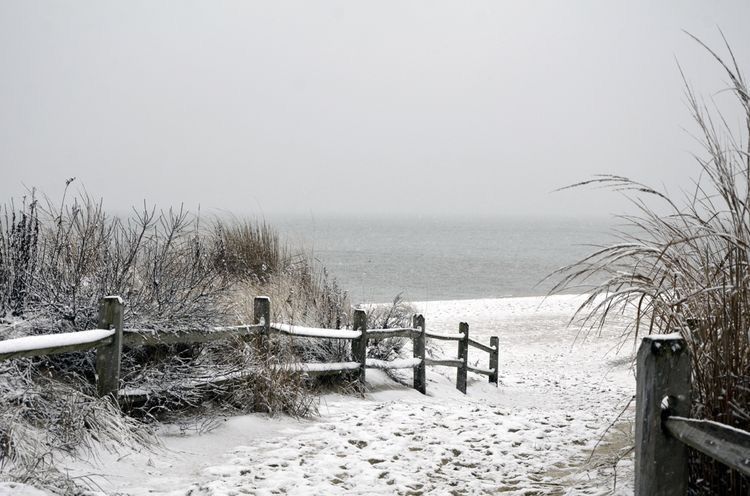
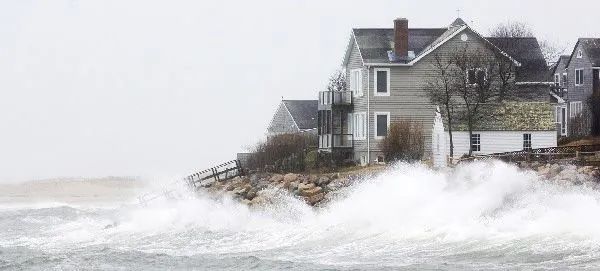
For example, the recent Cape Cod blizzard caused damage across the region. Many homeowners filed claims for roof issues, ice dams, and structural damage.

Although these claims are expensive for insurance companies overall, they are expected losses. Insurers spread that risk across thousands of policies and across entire regions.
Because of this, a single claim caused by a major storm typically does not affect your eligibility for coverage. In most cases, your carrier will not drop you simply because you filed a claim tied to a widespread catastrophe
However, catastrophic events can still affect the broader market. If storms become more frequent or more severe, premiums may increase regionally over time. Those increases reflect the overall risk of the area—not the actions of one homeowner or the fact that you filed a claim.
Individual Claims Are Evaluated Differently
Claims that occur at only one property receive closer scrutiny from insurers.
These are often referred to as non-catastrophic claims. They involve losses that could potentially indicate higher risk at a specific home or business.
Common examples include water damage from plumbing failures, roof leaks, small kitchen fires, or liability claims when someone is injured on your property.
In these situations, insurers pay close attention to claim frequency.
Although a single claim may not cause a problem, multiple claims within a short period can raise concerns. Insurers interpret repeated claims as a sign that future losses are more likely. Basically, they view you as a high risk client.
At that point, premiums may increase or the insurer may decide not to renew the policy.
After That, Frequency Often Matters More Than Claim Size
Many homeowners assume that large claims are the biggest red flag. Surprisingly, that is not always the case.
Insurance companies often worry more about how often claims occur rather than how expensive a single claim is.
For example, one large hurricane claim might not raise concerns because the loss resulted from a regional disaster.
However, three smaller water damage claims over several years may indicate ongoing maintenance issues or property vulnerabilities. From an underwriting perspective, repeated losses suggest a higher probability of future claims.
As a result, claim frequency tends to influence insurance decisions more than claim severity.
Massachusetts Insurance Rules: Consumer Protections
Massachusetts also has regulations that provide homeowners with certain protections.
Insurance companies cannot cancel policies arbitrarily. They must follow specific underwriting rules and provide proper notice if they plan to non-renew a policy.
In many cases, insurers will first request property improvements before taking more serious action. For example, they may require a homeowner to replace an aging roof, update plumbing systems, or remove hazardous trees near the house.
Once those improvements are completed, eligibility for coverage often remains intact.
The Same Principles Apply to Business Insurance
Business owners across Cape Cod, Martha’s Vineyard, Nantucket, and the South Shore often ask the same question after filing a claim.
Just like with homeowners insurance, the type and frequency of claims play an important role.
A restaurant that files a claim due to a regional storm typically will not face cancellation. However, repeated liability claims or ongoing equipment breakdown losses may trigger higher premiums or underwriting reviews.
Insurance companies want to see that businesses are actively managing their risks. Strong safety procedures and preventative maintenance often improve renewal outcomes.
Conclusion: Smart Claim Decisions Protect Your Long-Term Insurability
Understanding how claims are evaluated can help homeowners make smarter decisions.
First, it’s important to maintain your property carefully and address small issues before they turn into larger losses.
Next, many homeowners choose higher deductibles for minor damage so they can reserve claims for significant events. This is a strategic tactic if you can afford the deductible in the case of an emergency or accident.
Then, working with an experienced independent insurance advisor can make a big difference. A knowledgeable agent can help you evaluate whether filing a claim makes sense and how it might affect your policy long term.
Final Thoughts
So, can insurance companies drop you after a claim in Massachusetts?
In most cases, a single claim caused by a catastrophic event—like the recent Cape Cod blizzard of 2026—will not lead to cancellation. Insurance companies expect these losses and price them into their models.
However, repeated individual claims may lead to higher premiums or underwriting changes. Understanding this distinction helps homeowners and business owners protect both their property and their insurability.
If you live on Cape Cod, Martha’s Vineyard, Nantucket, or the South Shore, our team at McShea Insurance Agency can review your coverage and answer your questions before problems arise.
Reach out for a free consultation with an experienced agent today!