
Survival Guide: Frozen Pipes on the Cape & Islands
by McShea Insurance | Survival Guides: Frozen Pipes on the Cape & Islands
Although unpredictable winter storms come with the territory here, frozen pipes don’t have to be part of the experience.
Instead of waking up to soaked floors and a panicked call to the plumber, imagine starting your day with coffee in hand, knowing your home is prepared, warm, and protected. A little work now keeps the surprises away later.
Why Frozen Pipes Matter More Than You Think
It usually happens fast. A cold snap hits overnight, and by morning, water is pooling on the floor. A pipe froze, cracked, then burst.
The damage adds up quickly:
- Thousands in unexpected repairs
- Ruined flooring and drywall
- Lost keepsakes and furniture
Although this feels like a freak accident, frozen pipes are one of the most common winter claims we see across Cape Cod, Martha’s Vineyard, and Nantucket. The good news? They’re also preventable.
How to Prevent Frozen Pipes
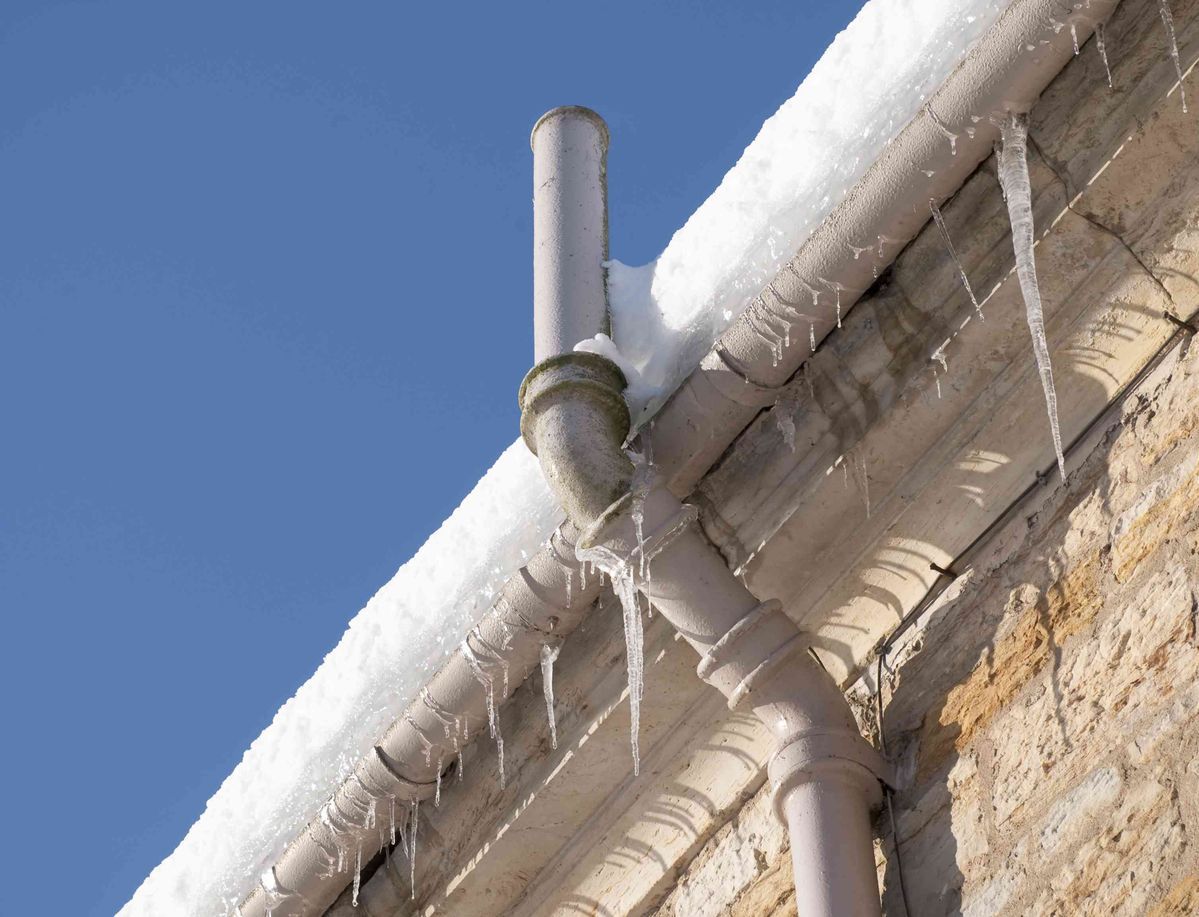
Frozen pipes often show up when temps drop below 20°F, though uninsulated spaces can freeze earlier. Here’s how to stay ahead:
- Insulate exposed pipes in attics, basements, crawlspaces, and garages.
- Let faucets drip during deep freezes, especially overnight.
- Open cabinet doors under sinks to let warm air circulate.
- Seal drafts and cracks near pipes so cold air stays out.
- Keep garage doors closed if there are water lines inside.
- Maintain steady heat—avoid lowering the thermostat too much at night.
- Heading away? Then keep the heat at
55°F or higher, depending on insulation and exposure.
Next, make sure every adult in the home knows
where the main shut-off valve is. In a water emergency, every second matters.
If a Pipe Freezes or Bursts
If you walk in to find water, act fast:
- Shut off the main water valve.
- Call a licensed plumber right away.
- Document everything—photos, videos, receipts.
Then reach out to your insurance agent to start the claims process.
Smart Tools That Can Save You Thousands
Small additions can prevent huge losses and ultimately save thousands of dollars. Technology can help you stay ahead:
- Smart leak detectors that send alerts instantly. These let you monitor key water-risk areas remotely (basement, attic, crawl space) and get an alert before a burst pipe turns into a soaked floor. In our region, that kind of early warning is gold.
- First Alert L1 Wi‑Fi Water Leak & Freeze Detector: Wi-Fi enabled, alerts your phone if it detects water or freezing temps—ideal for seasonal homes.
- Kidde Smart Water Leak + Freeze Detector: More budget-friendly, still Wi-Fi smart, compatible with Google Home/Alexa—good for multiple zones.
- Reside L1 Wi‑Fi Water Leak & Freeze Detector: Professional-grade with mobile push/email alerts and can pair with shut-off systems—great for full property protection.
- Automatic shut-off valves that stop water when a leak starts. Remote shut-off ensures that even if a pipe bursts while you’re away, the damage stops quickly—reducing risk and often lowering insurance loss exposure.
- Moen Flo Smart Water Monitor & Shutoff: A full-home system that monitors flow, pressure and can shut off the water supply if a serious leak is detected—ideal for primary Cape homes.
- Black + Decker Automated Shut‑Off Valve: A simpler, more cost-effective valve that attaches to your existing ball valve and gives remote control/monitoring—good for cottages or second homes.
- Flood Stop Auto Shut-off Valve: Specialized for water heaters, this auto-shutoff kit detects leakage around the heater and shut-supply when needed—smart way to protect a major risk point.
- Backup sump pumps and alarms for basement protection. Even if your main pump works, a power outage or storm surge can override it. A backup or alarm gives you a second line of defense—and insurance loves systems with layered protection.
- Basement Watchdog Special CONNECT Battery Backup Sump Pump: Battery-powered backup sump pump with Wi-Fi alerting—perfect for basements in older Cape homes where power loss is a risk.
- Liberty Pumps Storm Cell Complete Backup System: More heavy-duty—includes primary and backup pump, alarms, battery—ideal for homes with higher risk of flooding/basement water.
- LEVEL SENSE High Water Alarm: Alarm-only solution that monitors water level and alerts you—good if you already have a pump but want added alert protection.

Final Takeaway
Winter damage isn’t just inconvenient—it’s expensive, disruptive, and entirely avoidable with the right preparation. Although frozen pipes are one of the most common winter losses on the Cape and Islands, a few simple preventative steps can save you thousands and protect your home all season long.
Download our Frozen Pipes Prevention Checklist (PDF) for quick, easy access to everything you need to stay ahead of winter risks.
Keep it on your fridge, in your phone, or with your home records—your future self will thank you.
If you want to make sure your home is fully protected for the harsh, unpredictable Cape Cod and Islands winter,
reach out to us for a free policy review and quote. We’ll help you understand your coverage and make sure you’re prepared long before the cold hits.
McShea Insurance Agency
Trusted. Local. Coastal Risk Experts.