Why Did I Fail My Home Insurance Inspection? (And How to Prevent It)
by McShea Insurance
You finally secured a home insurance policy, breathed a sigh of relief—and then out of nowhere, your carrier cancels it after inspection. What just happened?
If you’re a homeowner on Cape Cod, Martha’s Vineyard, or Nantucket, this scenario may hit closer to home than you’d like. Post-bind inspections are a common (and critical) step in the underwriting process. Unfortunately, many homeowners are caught off guard when their policy gets canceled weeks after binding.
Let’s break down why home insurance inspections happen, what insurers are looking for, and most importantly—how to avoid failing one.
What Is a Home Insurance Inspection?
After your policy is bound, most insurance carriers send out an inspector to physically assess your property. This isn’t meant to penalize you—it’s to ensure the home meets the company’s risk guidelines and matches the information submitted during the application process.
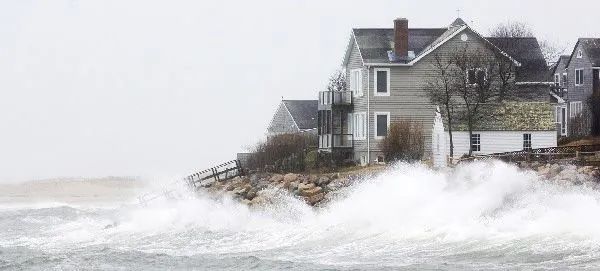
In high-risk areas like Cape Cod, Martha’s Vineyard, and Nantucket—where coastal weather, salt air, and older homes can pose greater risks—these inspections are especially common.
That said, they can lead to serious consequences if issues are discovered after the fact.
Why Do Carriers Conduct Post-Bind
Inspections?
Here’s what insurance companies are really looking for during a home inspection:
- Undisclosed risks not visible in the MLS listing or application.
- Deferred maintenance or safety hazards that could increase the chance of a claim.
- Inconsistencies between what was reported and what exists—like a pet that wasn’t disclosed or an outbuilding in poor condition.
In short, the inspection verifies that the property is insurable as-is. If red flags pop up, the carrier may issue a notice of cancellation, midterm adjustment, or surcharge.
Common Reasons Homeowners Fail Insurance Inspections
Failing a home insurance inspection doesn’t mean you’re a bad homeowner—but it does mean there are potential risks that insurers can’t ignore. Here are the most frequent culprits:
🛑 Black Mold or Water Damage
Moisture in basements, attics, or around plumbing is a big red flag. Mold is not only a health hazard—it signals prior leaks or poor ventilation that could lead to costly claims.
Tip: Use a dehumidifier in damp areas and repair any leaks immediately.
🏚️ Dilapidated Outbuildings
An old barn or unstable shed may seem harmless, but insurers see liability.
Why? Because even unused structures can pose danger:
- Injury risk: If someone (like a contractor, neighbor, or even a child) wanders in and gets hurt, you could be held liable.
- Collapse hazard: Rotting beams, unstable roofs, or sagging floors can lead to structural collapse—especially during storms or heavy snow.
- Fire hazard: Older outbuildings often have outdated electrical wiring, rodent activity, or flammable storage materials.
- Uninsurable contents: Insurers don’t want to cover damage to a structure that is already unsafe or deteriorating.
Tip: If the structure isn’t in use or repairable, ask your agent if it can be excluded from the policy—or consider tearing it down to reduce your risk and improve your insurability. Repair, demolish, or exclude these structures from coverage if not in use.
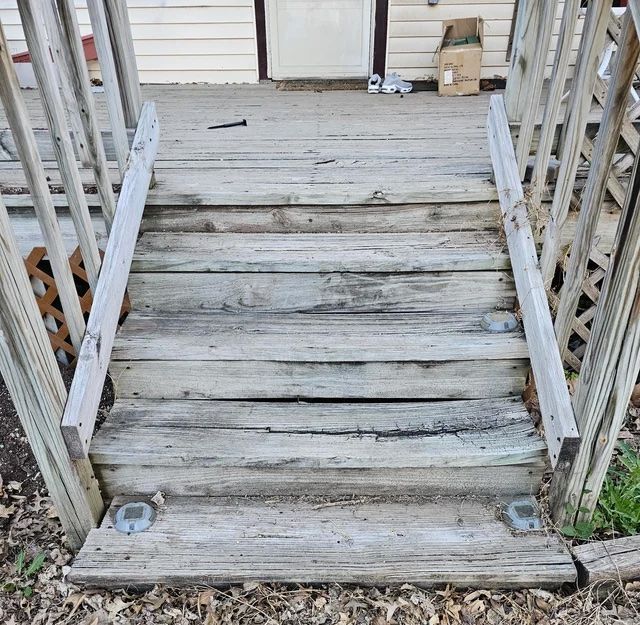
🪵 Rotting Decks & Stairs
Loose or rotted deck stairs (especially without railings) are a liability risk waiting to happen.
Why? Because insurers see a clear potential for injuries and claims:
- Slip-and-fall accidents: Weak or decaying steps can break under weight, causing serious injuries.
- Missing or loose railings: Without a secure handhold, even a minor trip can lead to major falls and liability lawsuits.
- Structural failure: Moisture, rot, or insect damage can compromise the stability of decks, increasing the risk of collapse.
- High traffic areas: Decks and stairs are entry points to your home—places where visitors, delivery workers, or contractors might walk.
Tip: Inspect stairs regularly for soft spots, loose nails, or missing boards. Replacing rotted wood and installing sturdy railings can reduce your risk and show carriers your property is well-maintained.
🌳 Overhanging Tree Limbs
Branches touching or hanging above your roof can cause major storm damage—and insurers want no part of that risk.
Why? Because overhanging limbs are a recipe for costly claims:
- Roof damage: High winds or heavy snow can cause limbs to snap and crash onto your roof, damaging shingles, gutters, and even puncturing the structure.
- Blocked drainage: Leaves and debris clog gutters, leading to water buildup and potential interior leaks or ice dams in winter.
- Pest access: Tree branches that touch the home act as a bridge for squirrels, raccoons, or insects to enter the attic or roofline.
- Fire spread risk: In wildfire-prone zones, vegetation close to the structure increases the chance of flames spreading quickly.
Tip: Trim back tree limbs so they’re at least 6–10 feet away from your roofline. Regular pruning shows insurance carriers your home is well-maintained and proactively protected.
🐶 “Beware of Dog” Signs
Even if your pup is the sweetest family member, a “Beware of Dog” sign combined with no pet disclosure can raise red flags for insurance companies—and may even be a policy violation.
Why? Because dogs (especially certain breeds) present a liability exposure for insurers:
- Bite risk: Dog bites are one of the most common liability claims under homeowners insurance. One incident can result in lawsuits, medical bills, and settlements.
- Breed restrictions: Many carriers exclude coverage for certain breeds—like pit bulls, Rottweilers, or Dobermans—due to a history of severe claims.
- Sign = acknowledgment of risk: Posting a “Beware of Dog” sign may imply the homeowner knows the dog could pose a threat, which increases liability concerns.
- Undisclosed pets: If you didn’t list a dog on your application, the policy is based on incomplete information—and could be canceled after inspection.
Tip: Always disclose all pets to your insurance agent. If your dog’s breed is on a restricted list, your agent can help you find a carrier that’s willing to provide coverage.
🏠 Old Roofs or Unpermitted Renovations
Your roof’s age matters—especially in coastal areas like Cape Cod, Martha’s Vineyard, and Nantucket, where wind, salt air, and storms take a toll. Unpermitted renovations are another red flag insurers don’t want to see.
Why? Because both pose elevated risk and create uncertainty for insurance carriers:
- Aging roofs = higher claim risk: Older roofs are more likely to leak, collapse, or be damaged in storms. Many carriers have roof age limits (often 15–20 years) and may deny claims if damage is due to wear and tear.
- Inaccurate rebuild values: Renovations that aren't permitted may not be included in the home's replacement cost estimate—leaving gaps in coverage.
- Code compliance issues: Work done without a permit may not meet building codes, which could lead to denied claims or uncovered losses if the renovation contributed to a claim.
- Undocumented updates: Without permits, insurers have no official record of when or how upgrades were done—making risk assessment difficult.
Tip: Keep documentation for your roof replacement and any renovations. If you’ve done work without permits, speak with your agent—it’s better to address it proactively than risk losing coverage later.
What Happens If You Fail the Inspection?
If the carrier finds an issue, they may issue a cancellation notice with as little as 10–30 days’ notice. You’ll be forced to find replacement coverage—often under pressure and at a higher premium.
Worse, once you've had a cancellation on record, you may become ineligible for standard carriers and be limited to surplus lines or the Massachusetts FAIR Plan.
How to Prepare for a Home Insurance Inspection
The good news? Most issues can be addressed before they trigger a cancellation.
✅ Pre-Inspection Checklist:
- Walk around your home like an inspector would.
- Look for mold, soft stairs, rotted wood, or drooping trees.
- Double-check your pet disclosures—even if the dog “belongs to a friend.”
- Consider sending your agent recent photos of your property.
🧠 Talk to Your Insurance Agent
The right insurance advisor won’t just write your policy—they’ll help you understand what could cause issues and offer guidance on how to fix them. At McShea Insurance, we take a proactive approach to help our clients avoid inspection surprises.
Real-World Example: A Cautionary Tale
A homeowner in Dennis recently came to us after their brand-new policy was canceled. The reason? A rotted old barn on the edge of their property wasn’t disclosed or excluded. We helped them find temporary coverage while they removed the structure and made repairs—and eventually got them back with a preferred carrier.
Final Thoughts (and a Friendly Reminder)
Insurance is supposed to protect your home—not leave you scrambling weeks after you thought you were all set. A little preparation now can save you money, stress, and time down the line.
🔍
Not sure where you stand?
Let’s review your current policy and help you avoid surprise cancellations.
👉 Click here to contact us or email
insure@mcsheainsurance.com to get started.
📞 Prefer a conversation? Call us at 508-420-9011