
Factors that Impact Insurance Rates
Why is my insurance rate so high?
This is a question so many have been (furiously) questioning and understandably so. It’s true, insurance rates are astronomically high right now and we all are feeling the impact. Even insurance experts with 50 years in the industry are saying they have never seen such a volatile market like the one we are living through. There are a number of reasons why the insurance market we are currently in is so unique which may provide a better understanding for the increased insurance rates.
#1. Market Conditions
Although the inflation crisis has shown some signs of leveling out, it takes time for the rest of the world to catch up. Additionally, experts say that although the rates should decrease in the coming years, it’s highly unlikely that insurance rates will ever go back to the prices from 3 to 5 years ago. Inflation is not just a concern for consumers, but for insurance carriers as well. Insurance carriers also have reinsurance coverage through a reinsurance carrier (yes, your insurance carrier has insurance!). So not only is it more expensive for insurance carriers to payout for claims but their insurance premiums have increased as well. If inflation was the only variable, insurance rates would lag a bit behind but when you factor in all the other issues going on simultaneously, it creates a perfect storm.
#2. Increase in Claims
Even if you’ve never had a claim in 50 years, the sad truth is that other peoples’ claims have an impact on your insurance rate. Why? Insurance is a shared risk.
Carriers take a collaborative approach to reduce the financial risks with unforeseen events, disasters or accidents. Not only have claims been increasing significantly and rapidly, the severity of these claims have dramatically increased as well. Insurance carriers don’t have the same amount of reinsurance funds or returns as they used to. Since the industry is a for-profit business, returns are necessary for survival. With returns dropping significantly over the past 2 years, many insurance carriers have either resorted to sending out non-renewals or stopped writing new business…or both. The burden of finding a new insurance company may be frustrating, especially when that rate is $1500 more expensive than your previous policy, but ultimately these insurance carriers are acting in your best interest. If forecasting shows they can’t handle the exposure, the only option is to reduce clientele, stop writing new business or increase rates.
#3. Severe Weather
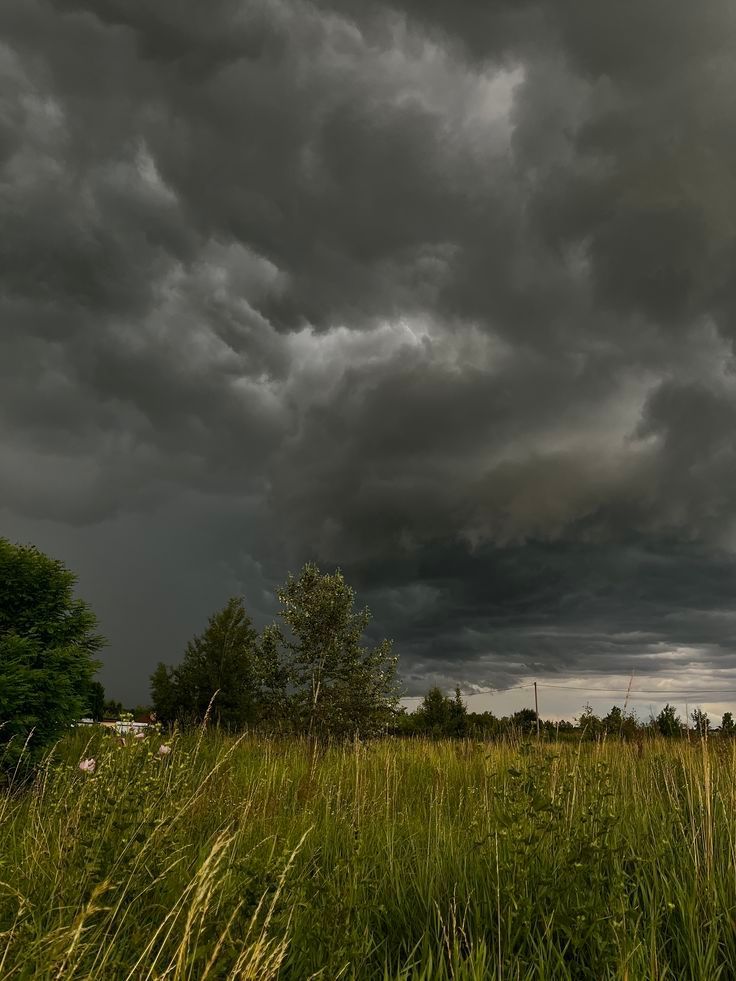
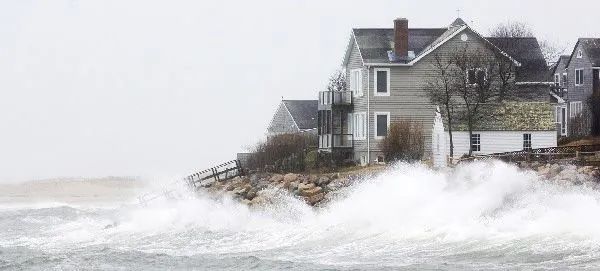
The increase in the number of weather events, the severity of these weather events and the increase in abnormal events for certain locations has made forecasting the frequency and value of claims nearly impossible. Insurance carriers base their entire business around prediction models. Weather has become more unpredictable than in the past. When too many events take place in a short amount of time, many insurance carriers simply cannot keep up. They either become insolvent (go out of business), reduce clientele sometimes based on risk exposure or they increase insurance rates.
#4. Cost of Living
It’s no secret that life is just more expensive now. Based on our grocery receipts and restaurant tabs, I think we can all agree on this! Insurance is not immune to this increase. One of the reason claims are more expensive is due to the increase cost of labor and supplies. Hiring contractors, lawyers, auto body repairmen, and paying for the supplies to repair the property, equipment or car is more costly than it’s ever been. Insurance carriers are paying more to settle claims. In turn, the replacement value of your home insurance must be increased and effects your insurance rate. Automobile technology is advancing at a rapid pace and many of these technologies include devices to safeguard drivers from accidents which is great. But these high-tech and hybrid vehicles are also more expensive to repair or replace.
It’s a Domino Effect
The significant increase. in insurance rates is due to a combination of: market conditions + an increase in claims + an increase in weather events + the cost of living. All of these factors create a domino effect and an undesirable hard market. For more insurance education, tips & trends, sign up for McShea Insurance Agency’s newsletter by clicking HERE to stay informed.
If you would like a free quote for your home, auto, umbrella, boat or business insurance, please email us & one of our expert agents will be able to assist!